| |
| Wednesday 16 September 2026 |
| Pevsner in Yorkshire: Nikolaus Pevsner and the Buildings of our part of England. |
| Susie Harries |
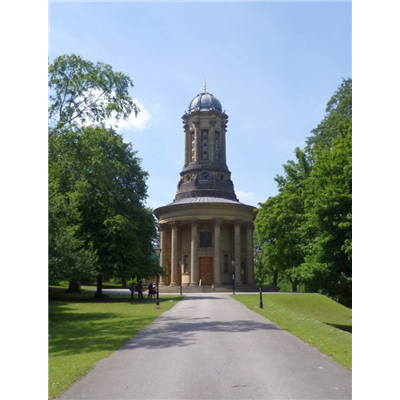 |
How did a German refugee from Hitler, an internee and a jobbing journalist, become the Grand Old Man of English art history? The answer lies in his extraordinary one-man survey of all the architecturally significant buildings in the country, county by county. This lecture explores what Pevsner said, rightly or wrongly, about the buildings in Yorkshire – churches, houses, shops, town halls, tower blocks, factories, cinemas – and sets his pronouncements in the context of The Buildings of England as a whole. The series has both detractors and passionate defenders, but no imitators. Susie Harries A writer, editor and lecturer, specialising in 20th century culture and the arts. Has published eight books on subjects including official war art, opera and the composer Elisabeth Lutyens. The most recent is the biography of Sir Nikolaus Pevsner, published in August 2011. Lectured to a range of audiences, from the Imperial War Museum and British Museum to the Twentieth Century Society, the RSA, the Cheltenham and Bridport Literary Festivals, and the Victorian Society. IMAGE: United Reform Church, Saltaire |
|
| Wednesday 17 June 2026 |
| Sorolla: the Spanish artist loved by English-speaking audiences |
| Morlin Ellis |
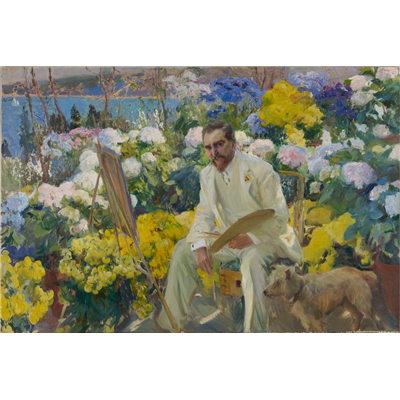 |
Joaquin Sorolla, excelled in the painting of wonderful landscapes full of light, of portraits and of works of social and historical themes. He was first discovered by British audiences in the early twentieth century when an exhibition of his work entitled ‘Sorolla: the world’s greatest living painter’ was held in London in 1908. It was to be over a hundred years later before another exhibition dedicated to his work was to take place in this country. Who was Sorolla, what did he paint and why is his work so popular? Morlin Ellis Morlin Ellis is research curator of the Spanish Gallery, Bishop Auckland, Co Durham, part of The Auckland Project which was created by philanthropist Jonathan Ruffer. She is a Spanish specialist with an MA in Spanish and Latin American art history and architecture and has worked for Sotheby’s London in the European Silver and Old Master Departments, assisting with their first sales of German Nineteenth Century and Expressionist Art in Munich. She was a committee member of ARTES the Iberian and Latin American visual culture group and its chair from 2015-2017. Her publications include an essay in Michelangelo: The Rothschild Bronzes (2017), the book to accompany the Fitzwilliam Museum exhibition, and reviews on Spanish art exhibitions and books, most recently for The Burlington Magazine on the Hispanic Society of America exhibition at the Royal Academy (2023). She is currently writing a book for the Spanish Gallery CEEH series on Spanish medieval sculptures of Christ on the Cross and the influence of the pilgrim routes. |
|
| Wednesday 20 May 2026 |
| The Subtle science and exact art of colour in English garden design -
why gardening can rank as a fine art |
| Timothy Walker |
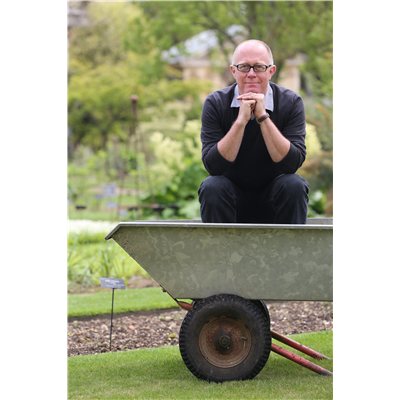 |
In 1882 Gertrude Jekyll wrote a short but seminal article in The Garden in which she urged the readers to “remember that in a garden we are painting a picture”. As an accomplished watercolour artist, Miss Jekyll was familiar with the principles of using colours, but she felt that in gardens these principles “had been greatly neglected”. This talk looks at how to apply these principles in designing a border, but it also looks at the ways in which a border is different from a painting. However, it goes further than this and looks at how contemporary work of the likes of Turner, Monet, Rothko, Jackson Pollack evolved in parallel with ideas about what a garden or border should be like. Timothy Walker Timothy read Botany at University College Oxford. After graduation he worked as a trainee at Oxford Botanic Garden, the Savill Garden Windsor, and the Royal Botanic Gardens Kew. In 1985 he was awarded a Master of Horticulture by the Royal Horticultural Society of London. From 1988 to 2014 Timothy was director (Horti Praefectus) at the Oxford Botanic Garden. Between 1992 & 2000 the OBGHA won 4 gold medals at the Chelsea Flower Show London. In 2009 the Botanic Garden was awarded a Queen’s Anniversary Prize for providing imaginative educational programmes for adults, students, children, and the general public, thereby breathing new life into education for people of all ages and enriching their lives. In 2010 he was elected as a Fellow of the Linnaean Society of London. In the same year Timothy presented a 3-part series of films on the history of botany on BBC4. Since 2014 he has been a tutor in Plant Biology at Somerville College, Oxford. |
|
| Wednesday 15 April 2026 |
| Charles 1st, King and Collector.
To celebrate 400 years since Charles 1st awarded Leeds its Royal Charter in 1626 |
| Barbara Askew |
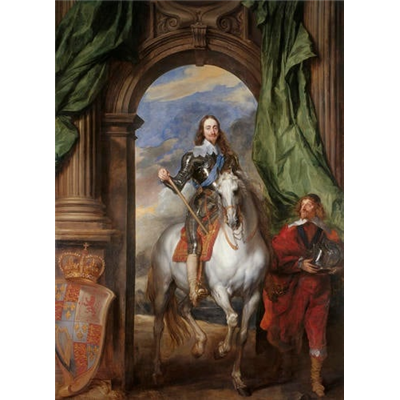 |
This lecture has been chosen to celebrate the 400 year anniversary of Leeds receiving its first Royal Charter in 1626 a year after Charles I’s accession to the throne in 1625. Charles I’s obsession for collecting works of art began when as a 22-year-old prince he travelled to Spain and saw the magnificent collection of the Spanish king, Philip IV. On becoming King in 1625 Charles purchased the fabulous collection of the Gonzaga Dukes of Mantua which included works by Titian, Raphael and Andrea Mantegna’s astonishing series of paintings “The Triumphs of Caesar”. Barbara Askew Barbara is a Historian and London Blue Badge Guide since 1988. She is a Lecturer, Examiner and Course Director on Blue Badge Guide Training Courses and an acknowledged expert on Royalty and Windsor Castle. She is the only Blue Badge Guide accredited to guide the Albert Memorial. |
|
| Wednesday 18 March 2026 |
| The History of Opera |
| Jamie Hayes |
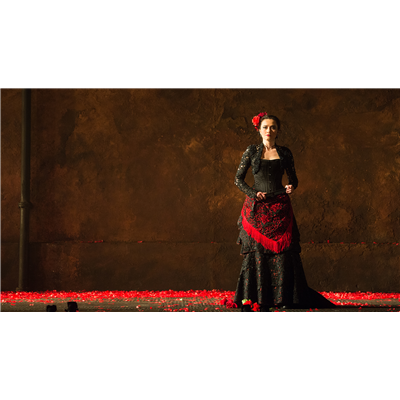 |
Jamie offers a fascinating lecture of how opera began, developed and spread worldwide; from 1600 to the present day. Illustrated with musical examples and excerpts of opera productions from around the world this lecture looks at the development of opera from its baroque beginnings right up to the modern-day Hamilton. He highlights the major changes and game-changers through each century, the movers and the shakers, focusing upon the greatest operas by the greatest composers. This lecture is suitable for the operatic novice; or expert. Jamie Hayes After training at RADA Jamie graduated as a Stage Manager and subsequently worked for Glyndebourne Festival Opera, Bristol Old Vic and the BBC. He became an Assistant Director with the Royal Shakespeare Company, Kent Opera and English National Opera and soon began directing productions of his own. He has directed many new opera productions in the UK whilst other new opera productions overseas include Reykjavik, Malta and Melbourne. Jamie was Associate Director on the original production of the hit musical Miss Saigon in the West End and on Broadway. He has directed productions in all the major UK conservatoires and was Director of Productions for British Youth Opera for over a decade. Jamie is a regular enrichment programme lecturer for various leading cruise ship companies. |
|
| Wednesday 18 February 2026 |
| Mexican Fusion: The Arts, Architecture and Gardens of the country |
| Marilyn Elm |
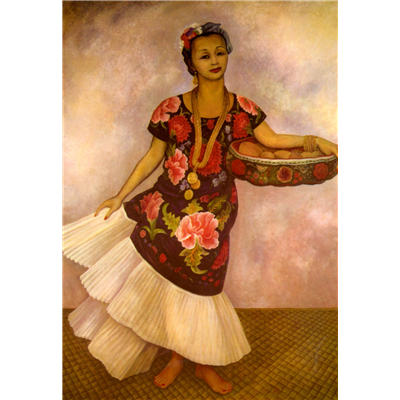 |
A vibrantly illustrated view of the arts, architecture and gardens of a country with its roots in pre - Aztec and Hispanic cultures, and yet touched by Modernist ideas. The marigolds of the chinampas, the colourful and striking forms of the modernist architect Luis Barragan, and the Surrealist garden of Edward James at Las Pozas, are all woven into the cultural tapestry that is Mexico. Marilyn Elm Marylin is an experienced course leader in garden and landscape design and history, and freelance lecturer for a variety of organisations, universities and specialist groups, including the National Trust, the Royal Horticultural Society, WEA, U3A and ADFAS. She has run study days, courses and summer schools and conducted garden tours in the UK. As a qualified landscape architect and interior designer, she has been involved with art and design for over thirty years. Passionate about promoting garden history, she has published articles, and broadcast for BBC television and radio, and the Discovery Channel. Member of the Garden Media Guild. IMAGE: La Tehuna 1956, Diego, Museo Dolores Olmedo Patino |
|
| Wednesday 21 January 2026 |
| Clarice Cliff (1899-1972): Doyenne of Art Deco |
| Vivienne Lawes |
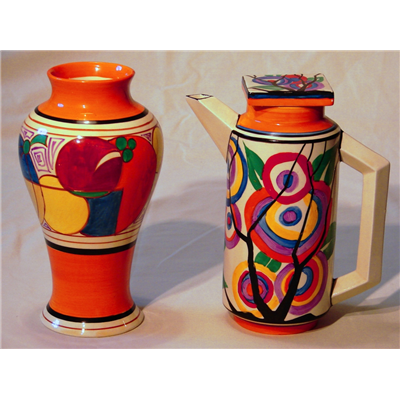 |
This lecture explores an artist whose work, inventiveness, and ability to catch the zeitgeist is still admired a century after her bold 'Bizarre' wares were launched in 1927. These Art Deco masterpieces are the products that most vividly signify Clarice Cliff's legacy. She spent a lifetime innovating. Born in 1899, she was a working professional whose lifespan covered the period in which women broke through the barriers of the art world. While the Royal Academy barred women from accessing the full training and privileges of their male counterparts, the pottery industry was one that had traditionally offered female artists the opportunities to excel. Vivienne Lawes Vivienne is an art historian, curator, author and journalist with over 25 years’ experience in the art market. She teaches at several Higher Education institutions, including the University of the Arts London, Sotheby’s Institute of Art, the City & Guilds of London Art School, SOAS (University of London) and Imperial College. In January 2021 she received the Geoffrey Bond Bursary for Art, an annual prize awarded by the Worshipful Company of Educators to an “outstanding educator” nominated by their institution. |
|
| Wednesday 17 December 2025 |
| Like A Rolling Stone (The Music of the Sixties 1965-69) |
| Steve King |
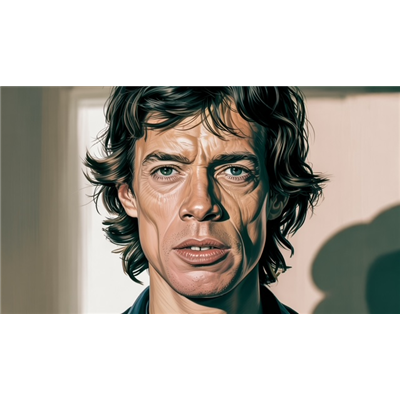 |
In 1965 British music dominated the charts on both sides of the Atlantic and the Beatles were blazing a trail across the world. However, in America, the civil rights and anti-war movements were gaining momentum influencing a new breed of writers and musicians; electric folk was born, and album sales started to increase exponentially. This is the story of the second half of the sixties featuring the music of the Beatles, The Rolling Stones and Bob Dylan.
Steve King Steve King has spent 35 years working in the radio industry as a Broadcaster, Programmer and Events Director. He has managed some of the biggest radio brands in the UK and has interviewed and worked with many well-known popular music artists including. He has also directed over 50 multi-artist events at venues including the Royal Albert Hall, London Palladium and Manchester Arena. His work in the broadcasting industry has been recognised on numerous occasions. Steve is an engaging public speaker and has produced a series of highly entertaining lectures based on his extensive knowledge of popular music, and his experiences in the radio business. He has lectured at various media conferences, industry events and for several cruise lines. |
|
| Wednesday 19 November 2025 |
| Reflections on the City and how it is changing: Architectural projects in Leeds |
| Irena Bauman |
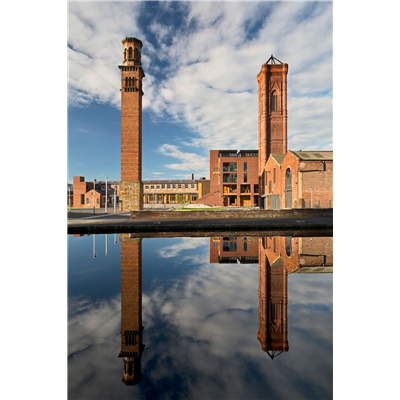 |
The lecture will explore how Leeds has developed over the last three decades and will put forward likely trajectory for the next three decades. I will highlight some new developments as well as some forgotten places and consider how urban fabric and design reflects social, environmental, and economic justice. Irena Bauman Irena Bauman is an Architect and Urbanist practicing from Leeds. She has co-founded Bauman Lyons Architects. She is currently Sir Arthur Marshall Visiting Professor at the Cambridge School of Architecture. Her practice and research are concerned with how architecture and architectural thinking can facilitate local communities to mitigate, adapt and become more resilient to the uncertainties that lie ahead. She co-designs with communities and stakeholders strategies for adapting places to change and often collaborates with artists in tackling complex issues of ownership, consensus, and justice. Image: Tower Works, Holbeck, Leeds |
|
| Wednesday 15 October 2025 |
| An Ideal Partnership: Lutyens and Jekyll |
| James Bolton |
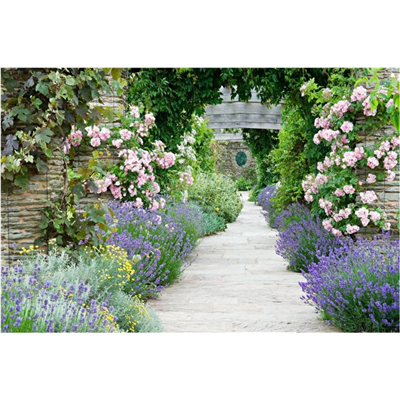 |
The last two decades of the nineteenth century reverberated with the row amongst gardeners and architects. At a stroke, the problem was solved by the partnership between Gertrude Jekyll and Edwin Lutyens, so that a house by Lutyens with a garden by Jekyll became an Edwardian ideal. Together they designed gardens with a strong architectural background, softened by luxuriant planting in the natural style advocated by Robinson.
James Bolton Inchbald School of Design 1990 (Dip ISD). Head Gardener, Old Rectory Farnborough 1990-92. Faculty Director, Design History, Inchbald School of Design. Garden Designer 1992-. A lecturer for The Arts Society since 1995. Organiser of The Arts Society's garden study days and tours in UK and Europe. Organises tours to the best private gardens in the UK, Italy, France and South Africa. Garden Mania, a book on garden ornaments, published in 2000. |
|
| Wednesday 17 September 2025 |
| Gwen John: Art & Life in London and Paris |
| Alicia Foster |
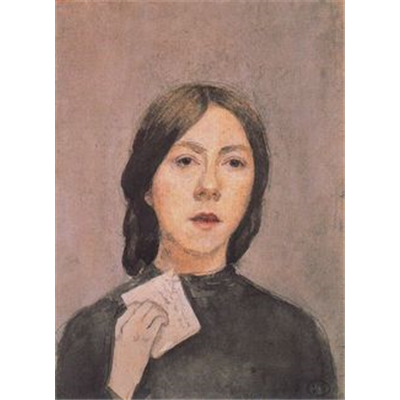 |
Gwen John (1976-1939) lived and worked in some of the most exciting times and locations in the story of art, moving from London in the 1890s, to Paris in the first decades of the twentieth century. She knew James McNeill Whistler, Auguste Rodin and Rainer Maria Rilke, and had close friendships with a circle of now lesser-known women artists such as Mary Constance Lloyd and Ursula Tyrwhitt from her early years in England throughout her life in France. She has often been described as a recluse, with little connection with the world around her, but although independence, and at times, solitude, was important to Gwen John, her archive also reveals an artist whose work was sought after, who enjoyed life in the art world and who, by the 1920s, was, herself, so admired in Paris that, as the American poet Jeanne Robert Foster wrote, everyone knows of Miss John and the Salon takes all she will send them. This is a story of connection, rather than isolation, of a woman who was part of the culture of her age and certain she had a place within its history, writing I cannot imagine why my vision will have some value in the world - and yet I know it will. Alicia Foster Dr Alicia Foster is an art historian, curator and novelist. Previous books include:Gwen John (Tate, 1999), the first complete survey of women artists in Tate collections Tate Women Artists (Tate, 2004), and Nina Hamnett(Eiderdown, 2021). She curated the first museum show of Jessica Dismorr's work, Radical Women, in 2019, and wrote the critically praised catalogue. Her novel Warpaint was published by Penguin in 2013 and tells the story of four women artists employed by the British government in 1942 making official war art and black propaganda. Her biography Gwen John, Art and Life in London and Paris (Thames & Hudson) accompanied a major exhibition she curated at Pallant House and the Holborne Museum, Bath, and was a 2023 book of the year in The Times. Image: Self-portrait with a letter, c.1907-9. Pencil and watercolour, Musee Rodin. |
|
| Wednesday 18 June 2025 |
| She Loves You: The Music of the Sixties 1960-64 |
| Steve King |
 |
By 1960 interest in rock and roll had started to fade, its biggest star was moving on and a new generation of teenagers were seeking something different. It came in the form of the Beatles, who broke all the rules and all the records. This is the story of the first five years of the 1960s, one of the most creative and innovative periods in the history of music, featuring all the major artists, important songs and principle musical genres.
Steve King Steve King has spent 35 years working in the radio industry as a Broadcaster, Programmer and Events Director. He has managed some of the biggest radio brands in the UK and has interviewed and worked with many well-known popular music artists including. He has also directed over 50 multi-artist events at venues including the Royal Albert Hall, London Palladium and Manchester Arena. His work in the broadcasting industry has been recognised on numerous occasions. Steve is an engaging public speaker and has produced a series of highly entertaining lectures based on his extensive knowledge of popular music, and his experiences in the radio business. He has lectured at various media conferences, industry events and for several cruise lines. |
|
| Wednesday 21 May 2025 |
| Lucian Freud and the late Queen |
| Bill Powell |
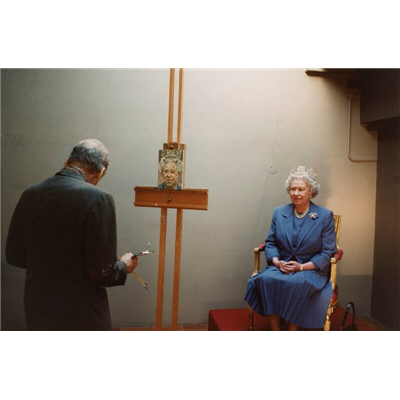 |
Grandson of Sigmund and brother of Clement, Lucian Freud is widely regarded as one of the greatest ever painters of the human form. In 2000 Her Majesty Queen Elizabeth II agreed to his request to paint her portrait, with dramatic consequences.
Bill Powell Bill's working career was in finance, firstly as an accountant with BT. He joined St Michael's Financial Services (now M&S Money) shortly after they were established in the mid-1980s as Head of Customer Service. He then became the UK Chairman of the Consumer Credit Trade Association. He took early retirement and embarked on a completely different career as a tour manager, escorting groups of people to various destinations around the world. During this time he was able indulge his love of Modern Art, visiting galleries across the globe. He started lecturing on cruise ships in 2013, talking about Modern Art and his other great passion, Rock and Roll music. |
|
| Wednesday 16 April 2025 |
| The Female Gaze: Photography from Julia Margaret Cameron to Lee Miller |
| Suzanne Fagence Cooper |
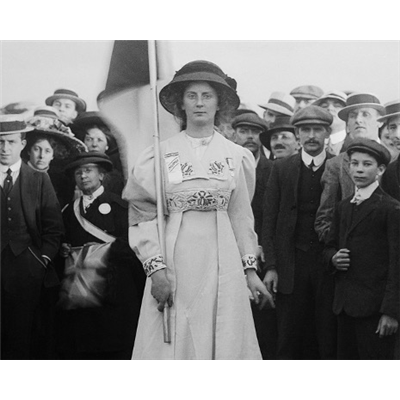 |
From the earliest days of photography, women have used their cameras to challenge the boundaries of beauty. This lecture begins with the portraits and idylls created by Cameron and Clementina Hawarden. It then considers the images of protest made by Olive Edis and Christina Broom during the 'Votes for Women' campaigns. Finally Suzanne Fagence Cooper explores the career of Lee Miller, from her role as a fashion model, through her Surrealist work, to her uncompromising reportage as a War Correspondent. This lecture shows us the birth of the Modern in art through a new and refreshing lens.
Suzanne Fagence Cooper Dr Suzanne Fagence Cooper is an art historian working on 19th and 20th Century British art. She was a curator and Research Fellow at the V&A Museum, and is currently Honorary Visiting Fellow at the University of York. She has curated a major exhibition on John Ruskin and J.M.W.Turner, and she is planning a new exhibition project on William Morris and his family for 2025. Suzanne is the author of 'To See Clearly: Why Ruskin Matters', 'Effie Gray' and 'Pre-Raphaelite Art in the V&A Museum'. She is a trustee of the Burne-Jones catalogue raisonn and has worked as a consultant for TV and film projects, including 'The Invisible Woman' with Ralph Fiennes. She leads art history tours in England, France and Switzerland, and is an invited speaker for Cunard. Her latest book is 'How We Might Live: At Home with Jane and William Morris'. Image:Christina Broom, Charlie Marsh, Hyde Park Rally, 1908 |
|
| Wednesday 19 March 2025 |
| Tiffany & Co Diamonds and Decadence |
| Brian Healey |
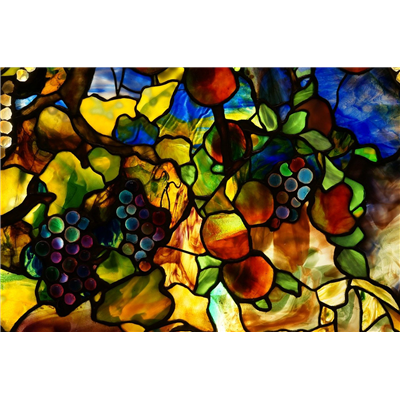 |
Founded by Charles Tiffany with a loan of just $1000, the firm of Tiffany & Company, New York grew from a small bric-a-brac shop to become purveyors of the finest luxury goods and the world's leading jewellers. The business evolved even further under Charles's immensely gifted son Louis, who not only completely redesigned the now lost interior of the White House but spent over thirty years developing the manufacture of the most exquisite glass. From wonderful vases and lamps to the diamonds worn by Audrey Hepburn in Breakfast at Tiffany's this is a fascinating tale of how art and luxury came together to create one of the the world's most iconic brands. Brian Healey A senior modern languages teacher in an independent grammar school for many years, I have also enjoyed a successful parallel career since the 1980s as a professional artist and interior designer. Since 2006 I have been regularly appointed to a number of prestigious ocean and river cruise lines, either as resident artist, guest lecturer on art history or as destination speaker for more than forty countries. Most recently this work has successfully extended to art guiding through important towns and museums in France, Belgium, Holland and Spain. |
|
| Wednesday 19 February 2025 |
| Cotton-pickers and Cosmonauts - Soviet Central Asian Mosaics and the use of public art as propaganda |
| Chris Aslan |
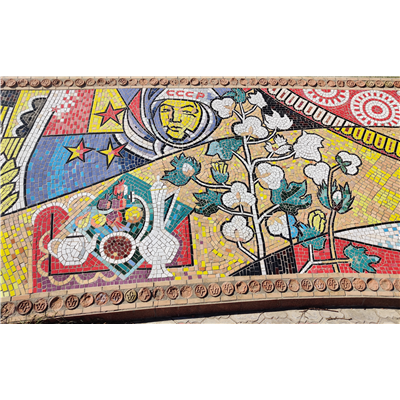 |
This lecture explores the birth of the Soviet mosaic from its roots in Islamic mosaics and Communist propagandist posters through to the question of preservation in post-Soviet Central Asia. We explore why Soviet thinking was so keen to bring art out of galleries and into public spaces, and how, in an era when Socialist Realism was the only permitted artistic expression, every public artwork came with a message, a value and an agenda. How did Soviet artists deal with the uncomfortable reality that Muslim Central Asia was a Russian colonial conquest? Chris Aslan Chris Aslan was born in Turkey (hence the name Aslan) and spent his childhood there and in war-torn Beirut. After school, Chris spent two years at sea before studying Media and journalism at Leicester University. He then moved to Khiva, a desert oasis in Uzbekistan, establishing a UNESCO workshop reviving fifteenth century carpet designs and embroideries, and becoming the largest non-government employer in town. He was kicked out as part of an anti-Western purge, and took a year in Cambridge to write A Carpet Ride to Khiva. Chris then spent several years in the Pamirs mountains of Tajikistan, training yak herders to comb their yaks for their cashmere-like down. Next came a couple more years in Kyrgyzstan living in the world’s largest natural walnut forest and establishing a wood-carving workshop. Since then, Chris has studied and rowed at Oxford, and is now based in Cambridge, but with plans to move to North Cyprus. When he is not lecturing for The Arts Society, he writes. His latest book, Unravelling the Silk Road, is published by Icon Books. Chris also takes tours to Central Asia, returning whenever he can, having left a large chunk of his heart out there. |
|
| Wednesday 15 January 2025 |
| Introducing the Glasgow Boys |
| Julia Marwood |
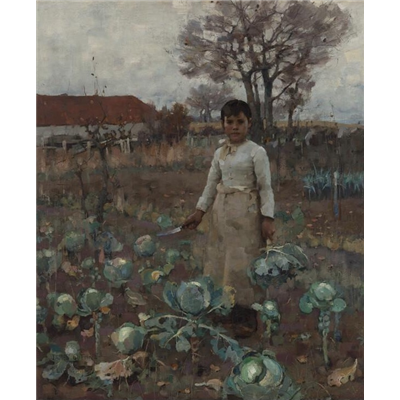 |
Disillusioned with the stuffiness and sentimentality of academic painting, a group of radical young painters burst onto the Glasgow art scene in the early 1880s and set in motion the stirrings of modernism in Scottish painting. Working out of doors in Scotland and France, they painted contemporary rural subjects strongly influenced by Dutch and French realism, especially the Naturalist paintings of Jules Bastien-Lepage and the tonal painting of the American artist James McNeill Whistler.
Julia Marwood Julia has loved looking at art since discovering the work of Gustav Klimt while teaching English in Austria as part of her German degree course at the University of Durham. She spent the first part of her career teaching German, then did a Master's in Teaching English at the University of Manchester, and went on to teach international students in the city. She became a tour guide at Manchester Art Gallery in 2015 and after leaving language teaching in 2018 she has loved spending all her time sharing her passion for art as a speaker to many different groups - apart from when she is wild swimming or learning Scottish Gaelic! She became an Accredited Lecturer of The Arts Society in 2020, specialising in Scottish art from 1880 and the art of Manchester. She and her astronomer husband love to travel around Europe and take every opportunity to visit art galleries wherever they go, but Scotland has always been their favourite destination! The image shows. Image: A Hind's Daughter (1883) by Sir James Guthrie (National Galleries of Scotland) |
|
| Wednesday 20 November 2024 |
| The Culture of Ukraine |
| Rosamund Bartlett |
 |
MEMBERS CAN BRING A FRIEND FOR FREE TO THIS LECTURE - MUST BE BOOKED - CONTACT MEMBERSHIP SECRETARY
This lecture tells Ukraine's story through the shared culture which binds its proud people together. We will explore the sacred art and architecture of Kyiv and its links to Byzantium, as well as the distinctive characters and ethnicities of Odesa and Lviv. Tracing Ukraine's complicated multi-ethnic history also means looking at its rich folk culture traditions. These range from native song and the secret codes embedded in ancient embroidery, which have exerted a surprising impact on modern painting and contemporary haute couture, to Cossack dancing and borshch.
Rosamund Bartlett Rosamund is a writer, lecturer and translator whose work as a cultural historian ranges across the arts. She completed her doctorate at Oxford and is the author of several books, including biographies of Chekhov and Tolstoy, and a study of Wagner's influence in Russia. She is currently writing a history of the Russian avant-garde. |
|
| Wednesday 16 October 2024 |
| ART DECO BUILDING STYLE 1920s & 1930s: LEEDS EXAMPLES IN CONTEXT |
| Rachael Unsworth |
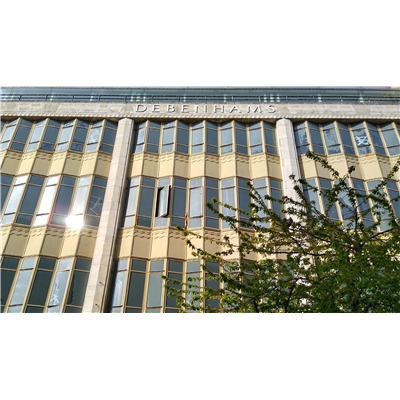 |
The lecture scheduled for October (The Odd Couple: Lutyens & Jekyll) has had to be changed due to the illness of the Lecturer. We wish Steven Desmond a speedy recovery. We have been fortunate to secure for October, a lecture on the Art Deco architecture of Leeds to be presented by Dr Rachael Unsworth, details below.
After World War I, there was a move away from the kind of highly ornamented, historically-inspired styles of architecture that had dominated the late Victorian and Edwardian eras. Buildings now displayed new kinds of streamlined forms, geometric detailing and glamorous high gloss finishes, while not completely breaking with some fundamental architectural principles. How was this distinctive architecture, later termed 'Art Deco', created in the interwar years How do the examples in Leeds relate to the wider scene around Britain, in mainland Europe and in America?
Rachael Unsworth is an urban geographer fascinated by the long-term evolution of cities, including prospects for the future. After a geography degree and PhD from the University of Cambridge, she became a researcher for a firm of surveyors in London. Back in Yorkshire from the mid-1990s, she was a lecturer at the University of Leeds until 2013. From around 2000 she became involved in research, policy and practice in the city of Leeds: planning, urban design, development and regeneration, housing and environment. Publications include century Leeds: geographies of a regional city (2004) and Leeds: Cradle of Innovation (2018). Since 2019 she has been running Leeds City Walking Tours, taking groups of locals, visitors and professionals on a range of tours and also offering presentations. |
|
| Wednesday 18 September 2024 |
| Cornwall Calling: The Artists of Lamorna Cove |
| Sarah Burles |
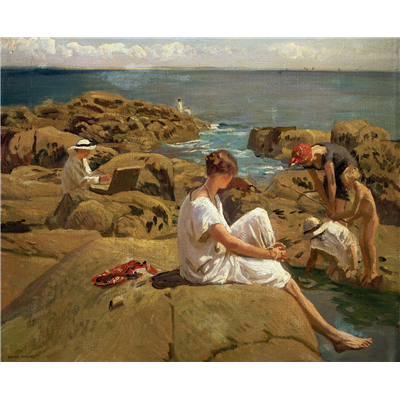 |
Before the outbreak of the First World War, a number of young artists settled in the picturesque Cornish village of Lamorna. This group included Laura and Harold Knight, Alfred Munnings, Frank and Jessica Gascoigne Heath and Samuel ‘Lamorna’ Birch. Some came to study at the Forbes School of Art while others were attracted by the existing artists’ colony in Newlyn. This lecture will paint a picture of the lives of these artists: their work, their play, their loves and their losses. On the surface, it is a picture of sunny days spent painting in the coastal light of Cornwall followed by evenings of socialising and gaiety at the Lamorna Inn. But, darkness and tragedy were just below the surface and struck even before the First World War changed their lives forever. Sarah Burles Sarah studied History of Art at Cambridge University before doing a master’s degree at University College London. She went on to have a career in museum and gallery education, establishing new services in three different museums before working at the Fitzwilliam museum for many years.  |
|
| Wednesday 19 June 2024 |
| The Romance of Gold |
| Susan Rumfit |
 |
To celebrate 50 years of Leeds Arts Society, our Golden Anniversary, we have a special event and are delighted to welcome back Susan Rumfitt, a well-known jewellery expert and regular presenter on Antiques Roadshow. Susan’s talk will look at the beauty of gold and how this metal has shaped the history of jewellery design since ancient times. Susan Rumfit Susan studied for her postgraduate degree in decorative arts at Glasgow University, Following a jewellery and silver traineeship with Christie’s Auctioneers Susan moved to Phillips Auctioneers in Edinburgh as Head of the Jewellery and Silver Department.  Later in London as an international jewellery specialist she established and ran a second jewellery department for Phillips Auctioneers. Susan is now an independent jewellery specialist based at her gallery in Harrogate, advising on the buying and selling of jewellery. She holds regular jewellery lectures and selling exhibitions at the gallery. As well as being a regular lecturer for Leeds Arts Society and a frequent presenter on the Antiques Roadshow she is a Freeman of the of the Worshipful Company of Goldsmiths. |
|
| Wednesday 15 May 2024 |
| Hagia Sophia: Constantinople's glorious 6th Century Church of the Holy Wisdom |
| Dr Helen Rufus-Ward |
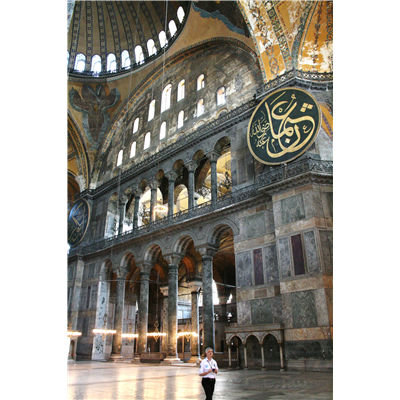 |
The cathedral church of Hagia Sophia (an UNESCO World Heritage Site) was built in the sixth century by the Byzantine emperor Justinian I at the heart of the empire’s capital Constantinople (modern day Istanbul). The emperor spared no expense for its interior decoration from its enormous dome (56 metres from floor level), to the use of expensive and rare materials – multi-coloured marbles, monumental bronze doors and sparkling mosaics. A main focus of the lecture will be an examination of the church’s world famous mosaics which offer an insight into the secret world of powerful emperors and empresses. Dr Helen Rufus-Ward Helen is an art historian with a BA (1st), Masters with distinction, and doctorate (DPhil) from the University of Sussex. She has published on Late Antique and Byzantine ivory carvings, plaster casting of art works and 19th century collecting. |
|
| Wednesday 17 April 2024 |
| NG200: Celebrating the Centenary of the National Gallery in 2024 |
| Lydia Bauman |
 |
2024 marks the bicentenary of our much loved national treasure - the National Gallery. Home to one of the greatest collections of European art, it is also a repository of headline grabbing stories surrounding acquisitions, controversial conservations, thefts, film appearances, acts of vandalism and scandals... Lydia will tell those stories against the backdrop of some of the most glorious masterpieces in the collection. Lydia Bauman Lydia divides her time between painting and exhibiting as well as lecturing widely to adult audiences. She has taught at London's National Gallery for more than 35 years, and intermittently at Tate Gallery and National Portrait Gallery as well as collections such as Boston Museum of Fine Arts, the Hermitage and the Van Gogh Museum in Amsterdam, the latter as a guest speaker for travel companies. |
|
| Wednesday 20 March 2024 |
| Banksy: Fraud or Genius? |
| Pepe Martinez |
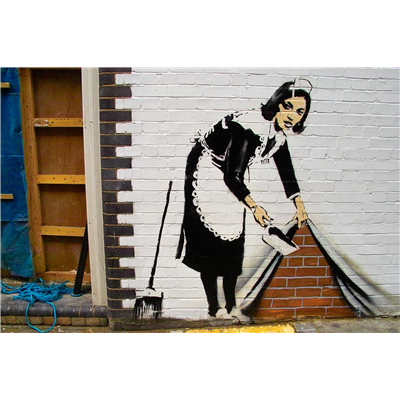 |
The lecture will trace the story of Banksy’s humble beginnings as a tagger on the streets of Bristol in the 1980’s to one of the most recognisable names in the art world.  We will examine the reasons behind his incredible rise, looking at some of his famous stunts and discuss what his influence has been on the art market today and look at what his legacy, if any, might be. Pepe Martinez Pepe qualified as a London blue badge tourist guide in 2011, graduating at the top of his class. Since qualifying as a guide he has specialised in the graffiti and street art of East London. Prior to becoming a London blue badge, he was a tour manager for 15 years, travelling extensively, all over the world. Image:Szater, Public domain, via Wikimedia Commons: Banksy - Sweep at Hoxton |
|
| Wednesday 21 February 2024 |
| Scandal, Spite and Shuttlecocks: Wentworth Woodhouse, Britain’s largest and least known country house |
| David Winpenny |
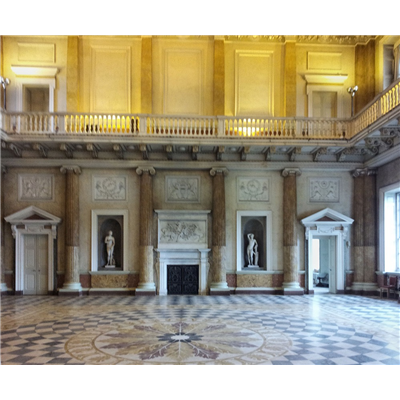 |
With a façade more than twice the length of Buckingham Palace and some of the finest 18th century rooms anywhere, Wentworth Woodhouse, seat of the Marquesses of Rockingham and then of the Earls Fitzwilliam, is being awakened from more than half a century of slumber. The history and architecture of the house are laid out alongside the story of the warring families that built and owned it – a story of political execution, madness, child-substitution, socialist vindictiveness, royal visits…and badminton. David Winpenny David studied English at Birmingham University and taught for several years before joining the Countryside Commission as Co-ordinator of its National Parks Campaign. Worked for the Central Office of Information in Leeds before setting up own public relations company. Author of Up to a Point - in search of pyramids in Britain and Ireland. He is chairman of Ripon Civic Society and lectures on architectural and related subjects. |
|
| Wednesday 17 January 2024 |
| Edouard Manet and Berthe Morisot: An extraordinary relationship |
| Michael Howard |
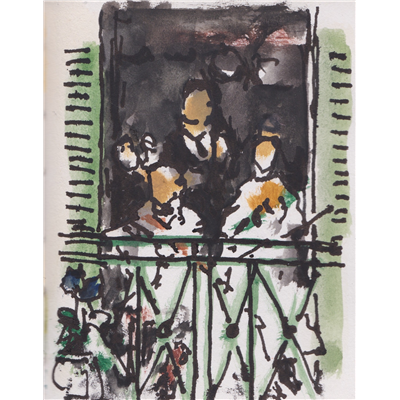 |
I think the Impressionists were all in love with her. Berthe Morisot was a great painter of brilliant talent who through hard-work and application carved for herself a career within the art world of nineteenth century Paris and with Mary Cassatt, saved Impressionism from self-destruction. Her relationship with Edouard Manet, the so-called father of Impressionism was as intense as it was mysterious – his extraordinary paintings of her document the intensity and mystery of their relationship - perhaps they tell the story that history has denied us. Michael Howard Michael is a familiar face to The Arts Society. He is President of The Arts Society Bolton and a Fellow of the Royal Society of Arts. Michael is a practising artist, and has exhibited at the Royal Academy, the New York Art Fair and elsewhere. He is represented in Manchester Art Gallery and in many private collections both here and abroad. |
|
| Wednesday 15 November 2023 |
| SHAFTS OF LIGHT: THE PHENOMENON OF MINING ART |
| ROBERT McMANNERS |
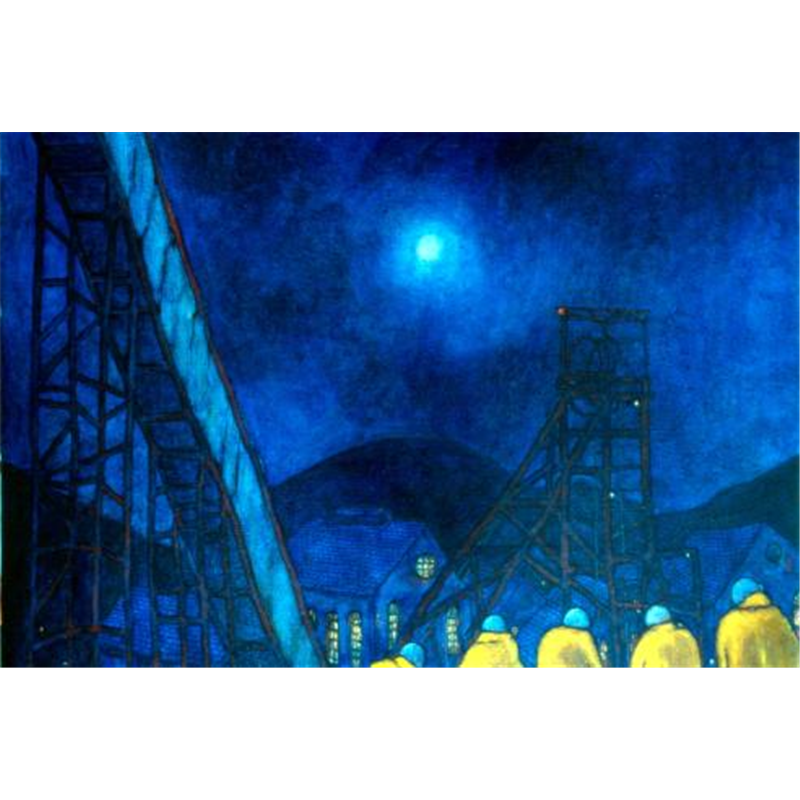 |
Why did miners paint the mines? For almost 200 years, coal was to power the industrialisation of Britain – the first nation to experience its ‘industrial revolution’. Coalmining changed landscapes, working practices, and the demography of towns and spawned the many other heavy industries that changed society for ever. The mines were a filthy cacophony of dangerous claustrophobic tunnels swathed in a blinding darkness, yet, from these desperate conditions emerged many men who found a beauty and a majesty both underground and in the pit yard that they wanted to express in art. We find no similar bodies of experiential work from the other heavy industries, such steel making or ship-building, which surely must have been more persuasive to the artist’s eye than the arcane underworld of the miner. But the coalminer had more to tell. This is experiential art - what it felt like to be a miner. Who better to tell the tale? Nor did the story just end at the pit gates. Mining artists take us to their homes and their communities and totally absorb us in their whole way of life. Some moved on to become professional artists but none forgot their main inspiration and have left us with a uniquely powerful first hand record of a mighty, all-consuming industry - now consigned to history.
Dr Robert McManners A doctor by profession, Robert is a practising artist and book illustrator he regularly holds exhibitions of his work which is also held in many collections. His main interests are local history and mining art. With writing colleague Gillian Wales, for the last 30 years Robert has researched, written about and collected mining art. In 2017, in conjunction with The Auckland Project, they opened the country’s first dedicated mining art gallery displaying their Gemini Collection. It receives great acclaim.  Publications include the books: The Zurbarans at Auckland Castle (2010) and with Gillian Wales - Tom McGuinness – the art of an underground miner 1997, Shafts of Light - Mining Art in the Great Northern Coalfield (2002), McGuinness – Interpreting the Art of Tom McGuinness (2006), Durham Portraits (2007), The Quintessential Cornish – the life and work of Norman Cornish (2009), A Way to the Better – the history of the Spennymoor Settlement (2011). Robert was awarded the OBE in 2014 for his contribution to culture and the arts in the North East. |
|
| Wednesday 18 October 2023 |
| CENTRAL ASIAN NOMADIC TEXTILES |
| CHRIS ASLAN |
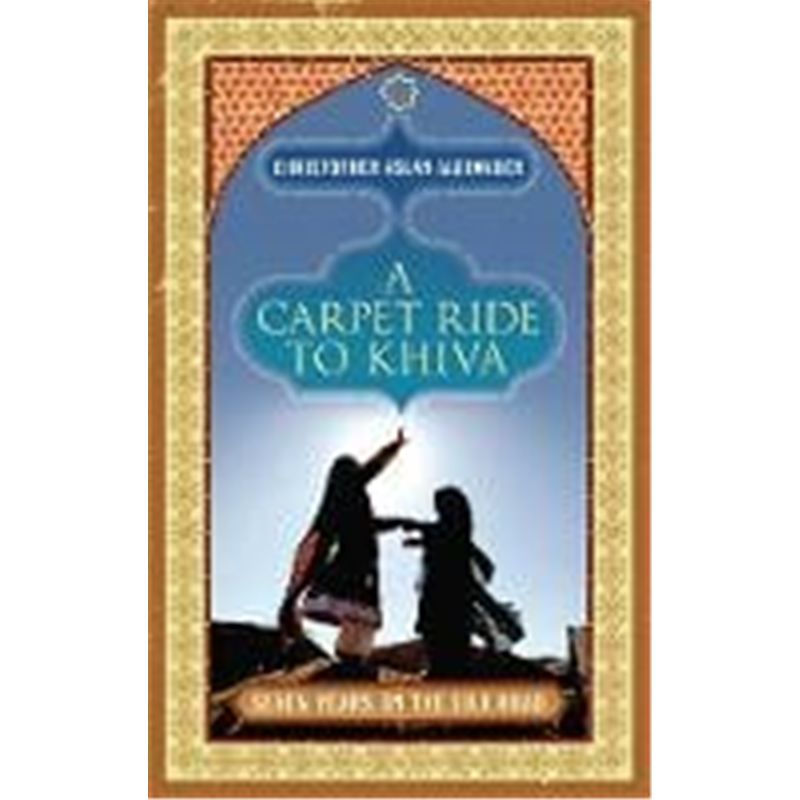 |
Houses made from wool that warm in the depths of winter, carpets that tell stories, woven bands that appease ancestors, embroideries that ward off evil, and kilims that store kitchenware, with everything ready to be packed and carried on yak, or camel at a moment’s notice; the little-known nomadic textile cultures of the Kyrgyz, Turkoman and Karakalpak are explored in this lecture, along with the rise and fall of nomadism and where nomadism fits within the modern world. Chris also shares from his own experience of working with nomadic yak herders in the High Pamirs for three years.
Chris Aslan Chris Aslan was born in Turkey (hence the name Aslan) and spent his childhood there and in war-torn Beirut. After school, Chris spent two years at sea before studying Media and journalism at Leicester University. He then moved to Khiva, a desert oasis in Uzbekistan, establishing a UNESCO workshop reviving fifteenth century carpet designs and embroideries, and becoming the largest non-government employer in town. He was kicked out as part of an anti-Western purge, and took a year in Cambridge to write A Carpet Ride to Khiva.  Chris then spent several years in the Pamirs mountains of Tajikistan, training yak herders to comb their yaks for their cashmere-like down. Next came a couple more years in Kyrgyzstan living in the world’s largest natural walnut forest and establishing a wood-carving workshop.
Since then, Chris has studied and rowed at Oxford, and is now based in Cambridge . When he’s not lecturing for The Arts Society, he writes. His latest book, Unravelling the Silk Road, is published by Icon Books. Chris also takes tours to Central Asia, returning whenever he can, having left a large chunk of his heart out there. ​ Image: Chris Aslan, A Carpet Ride tro Khiva |
|
| Wednesday 20 September 2023 |
| CARAVAGGIO: PAINTER EXTRAORDINAIRE, A FLAWED GENIUS AND....A MURDERER! |
| Keith Bonser |
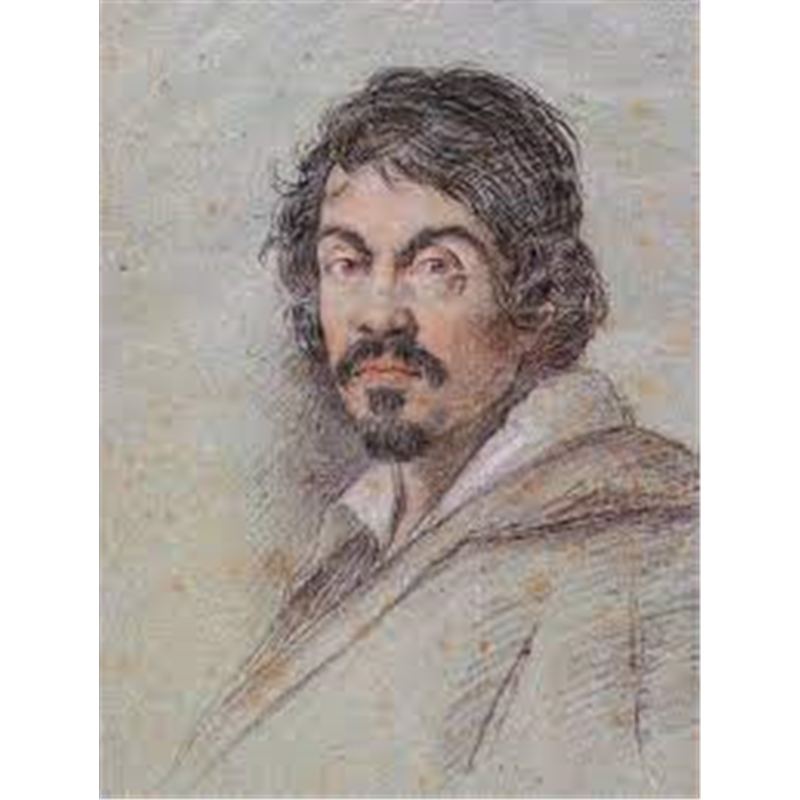 |
Keith was a teacher and senior manager in education for 38 years. Retirement in 2008 gave him the opportunity to pursue a specific interest that has its origins in 1995. A weekend break in Dublin introduced him to Caravaggio. He has travelled extensively throughout Europe to see his paintings in situ, tracing his life story from the town of Caravaggio to the cities of Milan, Rome, Naples, and the islands of Malta and Sicily. Keith subsequently wrote a book on these experiences. Caravaggio came into his life completely by chance and life has never been quite the same since. Image: Caravaggio, via Google images |
|
| Wednesday 21 June 2023 |
| CANAL HISTORY AND HERITAGE |
| ROGER BUTLER |
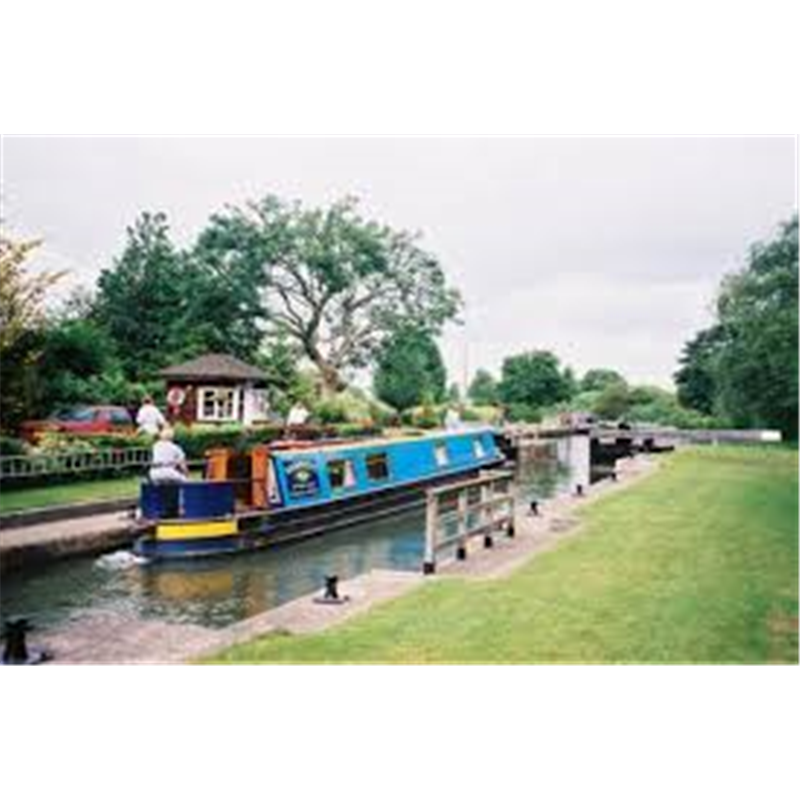 |
21 June 2023 – Roger Butler – Canal History and Heritage This lecture provides a colourful introduction to the secret world of our 2000-mile inland waterway network and looks at all aspects of their exceptional artistic, architectural and engineering vernacular. Features range from sweeping aqueducts to tiny bollards; from colourful historic narrowboats to 'Roses and Castles' artwork; from grand World Heritage Sites to quirky listed buildings. A well-known architectural historian once described our canals as a 'poor man's art gallery'.  The lecturer will reference the Leeds-Liverpool canal in his presentation, given the location. Roger Butler Roger Butler is a landscape architect and an experienced writer, photographer and lecturer. He has a particular interest in the unique history, architecture and traditions of our canal network and worked on some of the UK’s major canal restoration projects. He has also acted as a consultant to bodies such as Waterways Ireland, Natural England and the Jurassic Coast World Heritage Site. He regularly contributes to waterway and heritage magazines and writes and provides images for a range of countryside and outdoor titles. Roger is a Fellow of the Royal Geographical Society, a Licentiate of the Royal Photographic Society and a Chartered Member of the Landscape Institute. ​ |
|
| Wednesday 17 May 2023 |
| THE FASCINATION OF JEWELLERY: IMPORTANT WOMEN COLLECTORS |
| Clare Blatherwick |
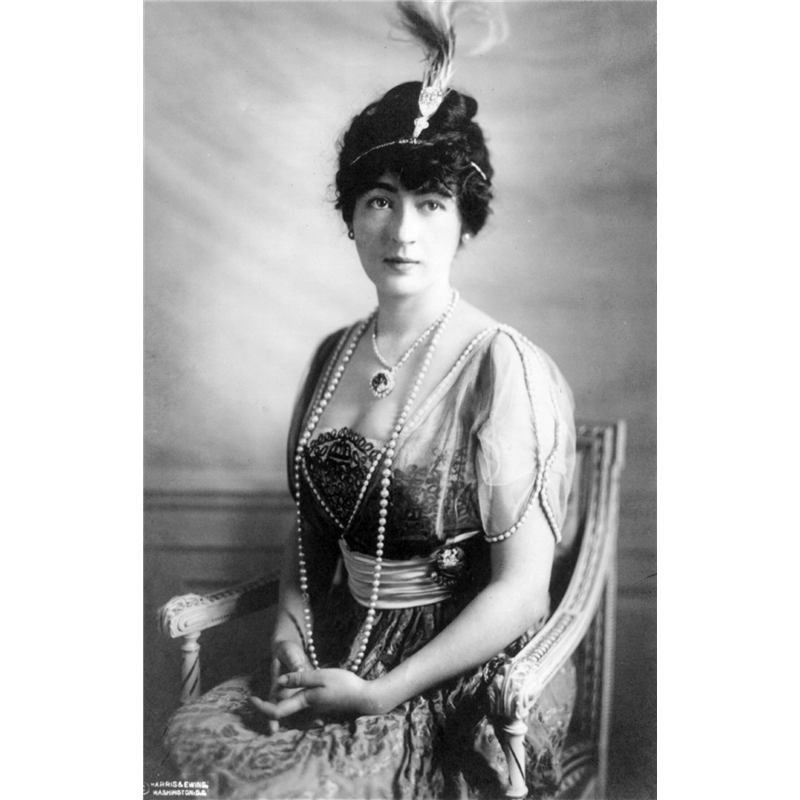 |
 This lecture explores the collections of four very different women and their approaches to jewellery, how their backgrounds influenced their choices, the messages jewellery can send in respect of status, wealth and politics.  Marjorie Merriweather Post, Evalyn Walsh McLean, Madeleine Albright and Elizabeth Taylor are the subject of this richly illustrated talk.     Evalyn Walsh McLean, American socialite and last owner of the Hope Diamond (1914).  This image is available from the United States Library of Congress's Prints and Photographs division. |
|
| Wednesday 19 April 2023 |
| MUSIC IN ART |
| SOPHIE MATTHEWS |
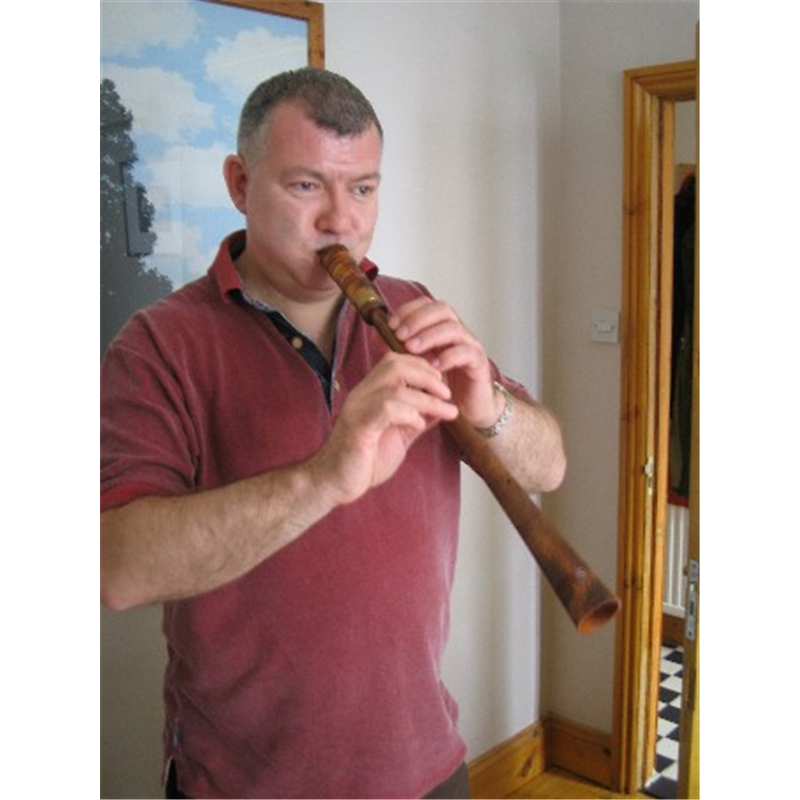 |
19 April 2023 – Sophie Matthews – Music in Art So many of our historical references for musical instruments can be found in works of art. Not only can these windows into the past show us what the instruments looked like but also the social context in which they would have been played. Music and different instruments also play a strong role within symbolism in art. Sophie explores the instruments in selected works and then gives live demonstrations on replicas of the instruments depicted. Sophie plays a variety of early woodwind instruments such as shawm, rauschpfeife, crumhorm and recorder. She’s also one of a handful of British players of the baroque musette, an 18th century French bagpipe similar to the Northumbrian smallpipes. Image: Rauschpfeife, Chris Green & Sophie Matthews |
|
| Wednesday 22 March 2023 |
| SAMPLERS: A CHILD'S HISTORY OF EMBROIDERY, THEIR HISTORY AND CONSERVATION |
| JACQUELINE HYMAN |
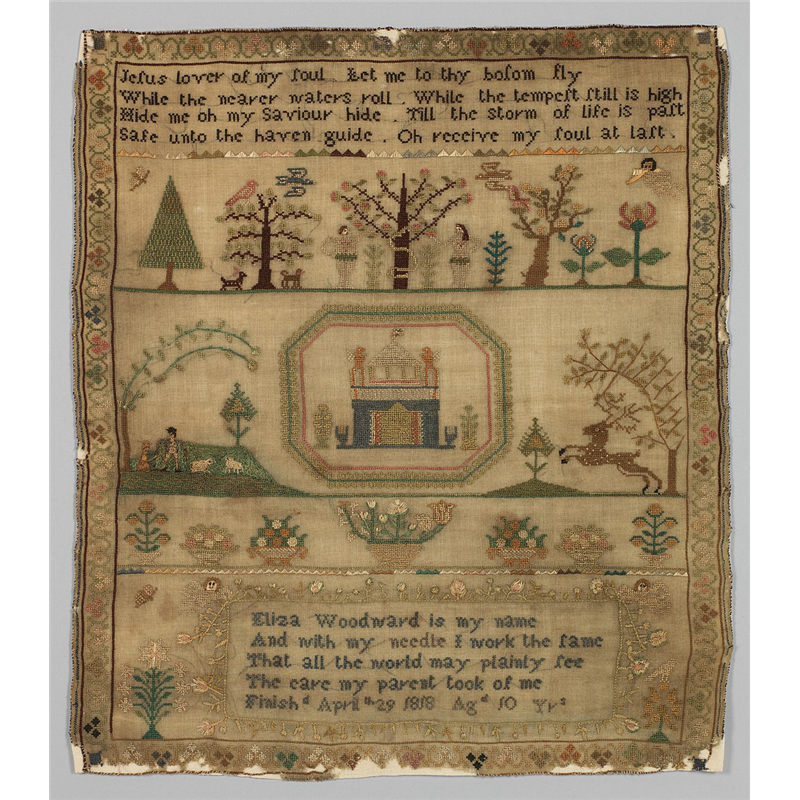 |
 The history of samplers spans from 1600 to the present day with their different styles, designs, fabrics and threads and their influence on a child’s upbringing. Many samplers have been vulnerable to neglect and inappropriate treatments and require preservation. Conservation treatments are described along with advice on care and display for those fortunate to have a sampler to preserve, for future generations to enjoy. About the Lecturer:  Jacqueline Hyman gained textile conservation experience with Museums' Service. Established freelance studio in 1982. Listed in ICON's Conservation Register. Accredited Conservator-Restorer. Lectured and given study days/courses for The Arts Society, Embroiderers' Guild, Lace Guild, Antique Collectors' clubs and others. Appeared on Channel 4, BBC 2 and the Discovery Channel.  Image: British; Sampler; Textiles-Embroidered 1818.  ​Metropolitan Museum of Art, CC0, via Wikimedia Commons​ |
|
| Wednesday 15 February 2023 |
| FRANK LLOYD WRIGHT'S SENSE OF PLACE |
| DEBORAH JENNER |
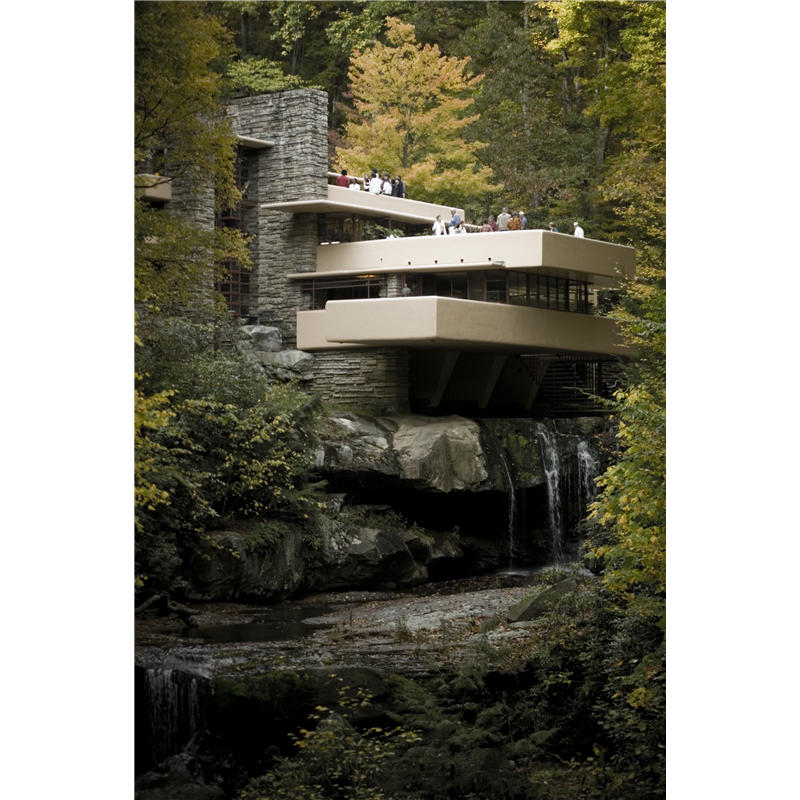 |
Unlike Europe’s International Style, Wright’s architectural designs are site-specific. Ecologically ahead of their times, they exploit local materials and provide shelter from local weather. Frank explained that his "organic architecture proceeds, persists, creates, according to the nature of man and his circumstances as they both change." From Falling Water, a millionaire’s residential retreat in Pennsylvania, to affordable - even pre-fab - urban housing in Milwaukee, each construction married its unique setting. Wright was trained by Sullivan in the Chicago School and went on to work in Japan in the 1910s before becoming America’s leading architect with over 800 projects coast to coast. His all-on-1-level Prairie houses spread out over Mid-West farmland while NYC’s Guggenheim Museum ascending spiral ramp completely redefined gallery spaces. Not only are they America’s icons of 20th century architecture, they offer the key to new solutions for the new millennium worldwide. Image: Falling Water by Frank Lloyd Wright (https://commons.wikimedia.org/wiki/File:Wrightfallingwater.jpg) |
|
| Wednesday 18 January 2023 |
| MEET THE GLASGOW GIRLS |
| JULIA MARWOOD |
 |
18 January 2023 – Julia Marwood   - Meet the Glasgow Girls For much of the nineteenth century, Scottish art had a very particular character - certainly good, but rather conservative and perhaps a little dull. The Glasgow Boys emerged on the scene in the early 1880s, excited by new developments on the Continent, and fighting their way to the notice of the British art world. But there were Glasgow Girls too, a little later, women who made their mark in many branches of art and design, helped by the advent of a new forward-looking regime at the Glasgow School of Art. This lecture will tell the story of the Glasgow Girls and introduce many of the most important characters, including textile artists Jessie Newbery and Ann Macbeth, illustrator Jessie M King, fine artists Stansmore Dean, Bessie MacNicol and Norah Neilson Gray, and the sets of talented sisters working together in the field of design and applied art - the Waltons, the Gilmours and, of course, the remarkable Macdonalds - Frances and Margaret, the latter known for so much of the twentieth century as just Mrs Mackintosh. Now their outstanding achievements are being increasingly researched and celebrated, as they so rightly deserve. Image: Bessie MacNicol, The Goose Girl (1898), via Wikimedia Commons.  |
|
| Wednesday 16 November 2022 |
| HELSINKI: A JEWEL OF ART NOUVEAU |
| Brian Healey |
 |
Strangers arriving in Helsinki are often surprised by its architecture, which is at once familiar yet strange; familiar in that it seems to recall the elegant lines of Rennie Mackintosh perhaps, yet strangely populated by unusual faces and creatures, mythical characters from Finland’s legends and her national epic, the Kalevala. This 19th century work of literature full of heroic tales dating back to the mists of time greatly inspired Jean Sibelius to compose some of his finest music, and artists such as Akseli Gallen-Kallela to paint some remarkable works. The lecture shows how art, architecture, music and literature came together in Finland’s quest for nationhood in the latter years of the 19th century and at the same time helped turn its capital city into a jewel of art nouveau, but with a distinctly Finnish flavour. This lecture includes excerpts from Sibelius’s music.  Image: Art Nouveau in Merikatu Street, via Wikimedia Commons |
|
| Wednesday 19 October 2022 |
| THE PRINCE BISHOPS OF DURHAM |
| Robert Mc Manners |
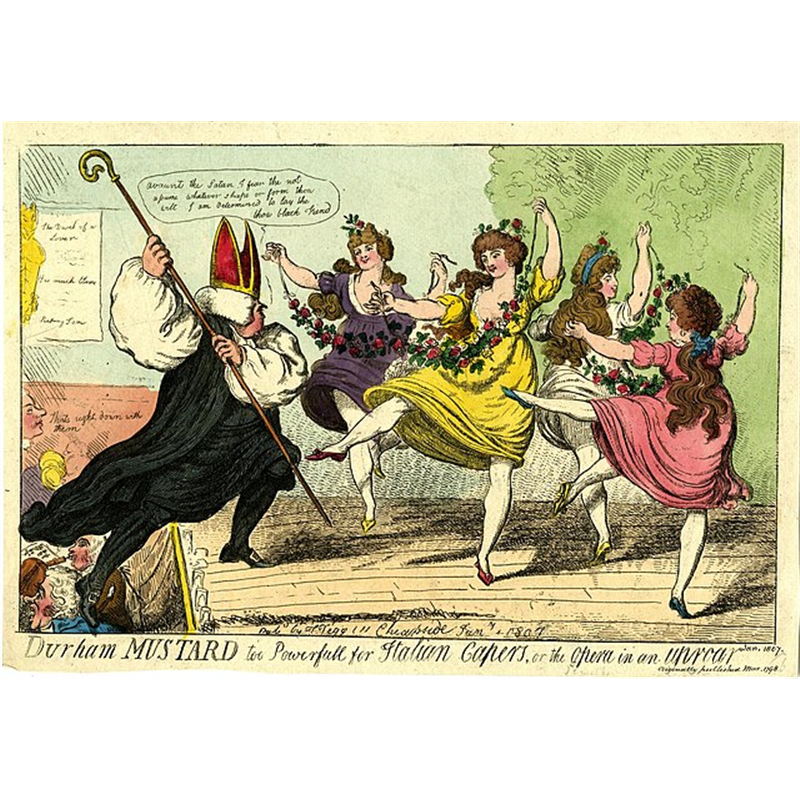 |
For over 700 years the Prince Bishops of Durham held a unique role. Part bishop, part statesman and part warrior his realm was to protect the county’s northern border. His ecclesiastical ‘palace’ was Auckland Castle from which he ruled with power second only to the King himself and with the spiritual authority of the Archbishops. On the walls of his ceremonial meeting hall, the Long Dining Room, a series of vast canvases, painted by 17th century baroque Spanish artist Francisco da Zurbaran, has hung for over 250 years. The individual images are of Jacob and every one of his twelve sons at the moment they received their father’s death-bed blessing – each to be the progenitor of one of the Twelve Tribes of Israel. Why was such a powerful symbol of Judaism prominently displayed in the home of a hugely powerful Anglican: why did Bishop Trevor take an enormous retinue to London and spend his own money buying them in auction; why is Benjamin a faithful facsimile – but why did the Church Commissioners decide to sell them and how were they saved?  IMAGE: Durham Mustard too Powerfull for Italian Capers, via Wikimedia Commons. |
|
| Wednesday 21 September 2022 |
| VISIONS OF PREHISTORIC ART |
| Gillian Hovell |
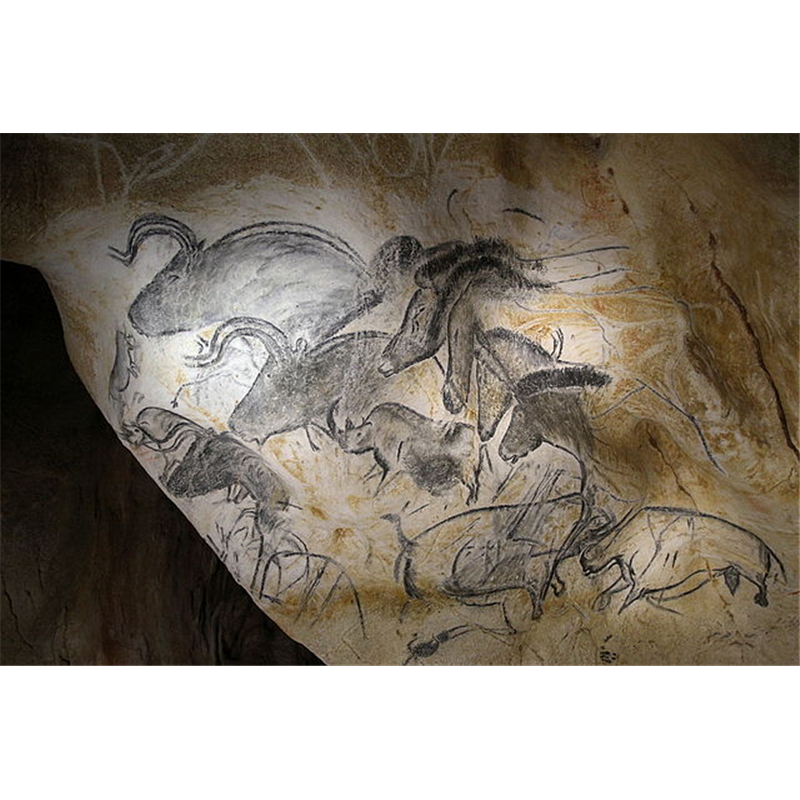 |
Vibrant and energetic, alive and exquisitely detailed, personal and intimate, prehistoric art constantly surprises us and makes us re-evaluate our perception of our ancient ancestors. There is nothing primitive about this art even though it’s tens of thousands of years old. Cave paintings, hunting and domestic tools, breath-taking representations of wild animals and touching images of humans all feature. Looking at these, our first works of art created by modern humans lead us to ask, not just what part art played in prehistoric lives, but what part art continues to play in our own modern lives. More astonishingly, this art helps us to consider at a deeper level what it means to be human.  IMAGE: Horse Panel, Pont d'Arc Cave, via Wikimedia Commons |
|
| Wednesday 15 June 2022 |
| THE CUISINE OF ART AND THE ART OF CUISINE |
| Ghislaine Howard |
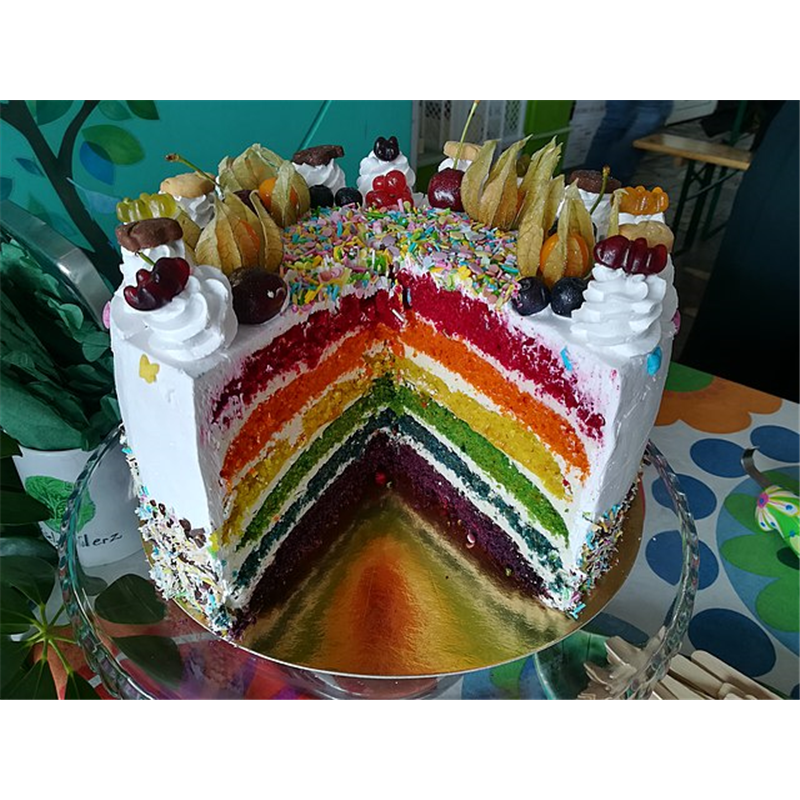 |
This lecture will be a feast for the eyes and tickle the taste buds, an inspiration for your cooking- and looking. It will feature the art, anecdotes and recipes of artists who loved their food. We will discuss Toulouse Lautrec, famous in his day for his truly fabulous meals and infamous cookbook, Renoir who introduced Paris to the pleasures of Provencal peasant cooking as well as Monet, Cézanne, Picasso and many others. We have prepared a special recipe booklet that can be posted on the internet – or bring a pen!  IMAGE: LGBT Torte (Poznan, 2019), via Wikiedia Commons |
|
| Wednesday 18 May 2022 |
| CHRISTOPHER DRESSER: DESIGNER OF THE MODERN WORLD |
| Suzanne Fagence Cooper |
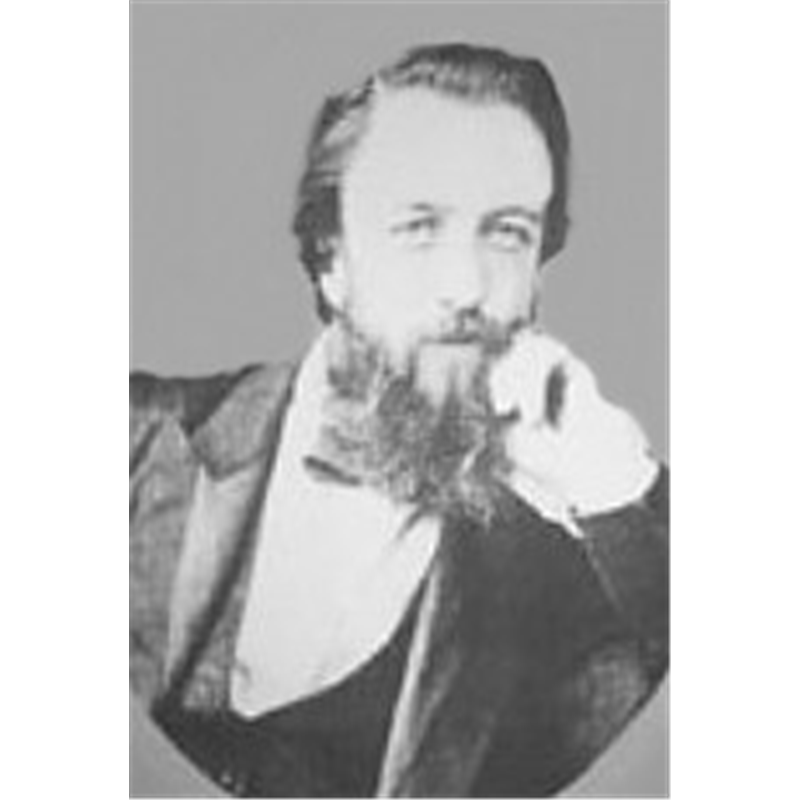 |
In the 1930s, Pevsner hailed Dresser as a pioneer of modern design. But is this the best way to account for the extraordinary objects that he helped to create? This lecture considers Dresser’s work as a prolific industrial designer, the impact of mechanisation on his products, and the diversity of his influences from Pre-Columbian pottery to botany.  IMAGE: Christopher Dresser (pre-1923), via Wikimedia Commons |
|
| Wednesday 20 April 2022 |
| MID 18TH CENTURY SILVER |
| Ralph Hoyle |
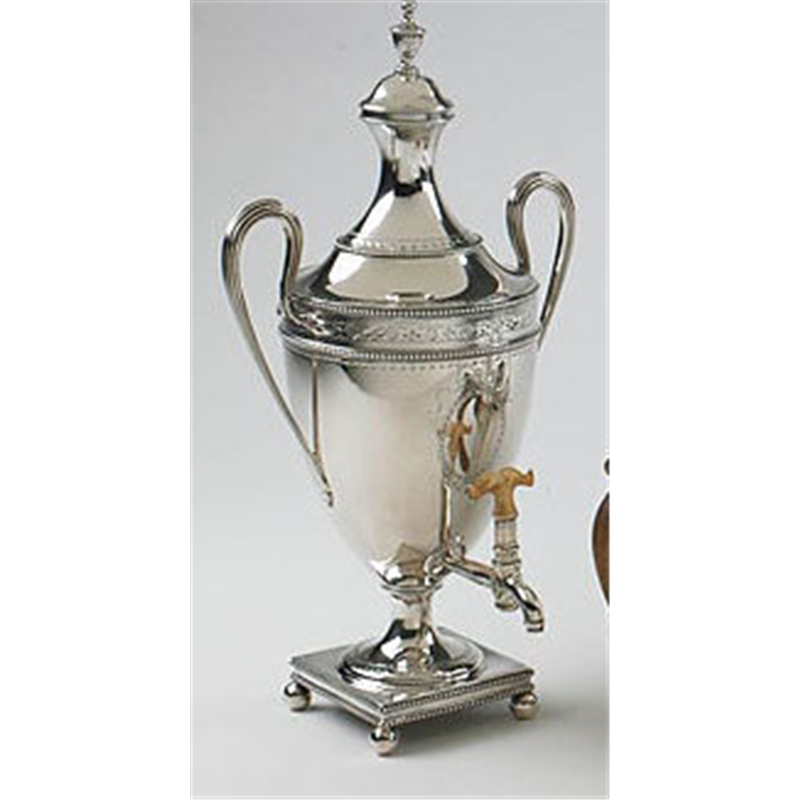 |
 Ralph’s interest is mid eighteenth-century English Rococo silver. He brings with him the pieces he is going to talk about for the listeners to handle and examine, together with a comprehensive collection of power point images, with close ups of features of interest. The Huguenot influence on this most decorative period is discussed, where new silversmithing techniques fused with new designs; together with methods of manufacture, interpreting the engraved heraldry of the items, and the social context. He makes the talk entertaining as well as informative by taking the audience on a journey to uncover the original owners by tracing the heraldry, shows portraits of them, and reveals some of the life story associated with them; fabulously wealthy aristocrats and middling sorts, they variously had a stint in the Tower of London, had tragic family circumstances, had their descendants gamble away their estates, found their wife in a bed she should certainly not have been in, or were dragged to their death in an overturned carriage… Knowing the exploits of these original owners of these pieces adds considerably to their interest and brings another dimension to the handling. |
|
| Wednesday 16 March 2022 |
| JAMES TISSOT: FASHION AND FRISSON |
| Lizzie Darbyshire |
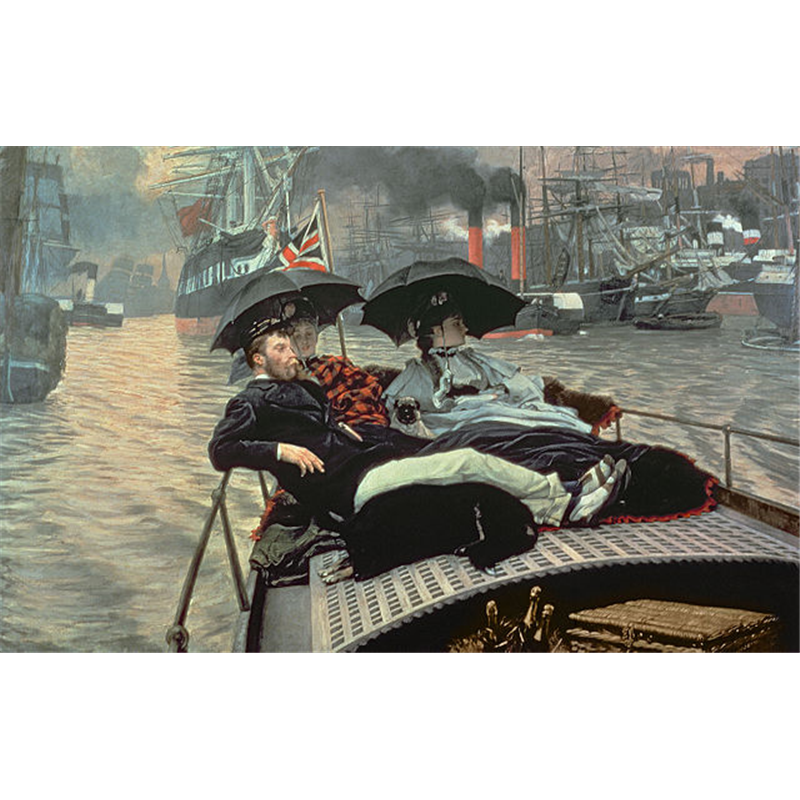 |
James Tissot (1836-1902) was a man of paradoxes – a Frenchman turned Englishman, a man who loved to paint women but never married. The French thought his pictures English; the English thought his pictures French. The detail with which he described the fashions of the period make his work a dress historian’s dream. His acute observations of nineteenth-century etiquette add a frisson to our viewing. This lecture reveals the life and work of this enigmatic artist Image: James Tissot, On the Thames (1876), Hepworth Wakefield Art Gallery, via Wikimedia Commons. |
|
| Wednesday 16 February 2022 |
| AND SO TO BED |
| Janusz Karczewski-Slowikowski |
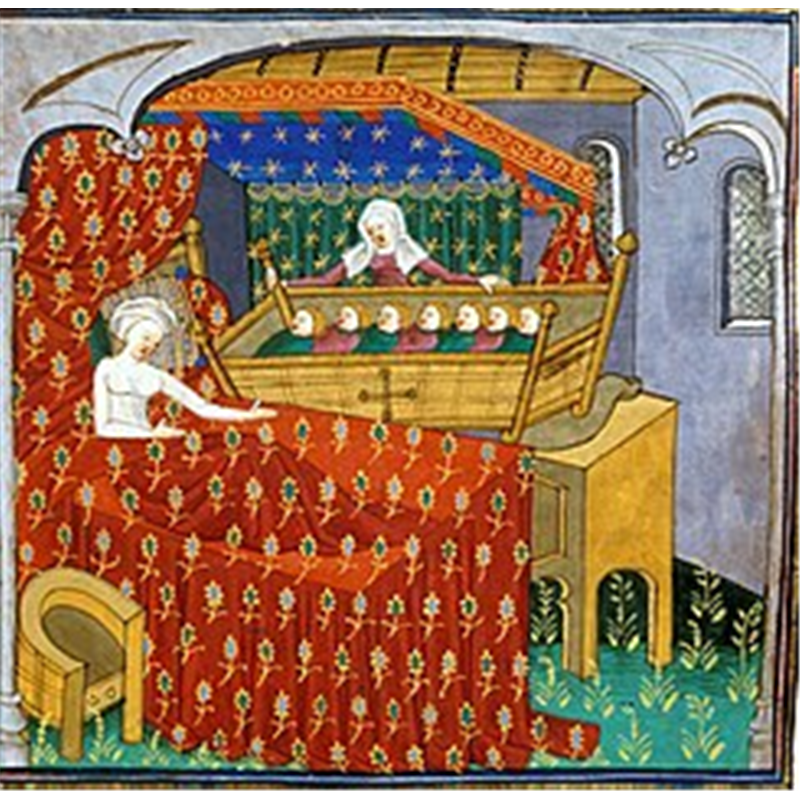 |
This lecture traces the significance and use of beds from the medieval period through to the 18th century both in terms of their association with the highest level of society as expressed through the great ‘State Beds’ and also the history of their construction, decoration and the, often costly, textiles associated with them. The significance of beds through the ages can be judged by the prominence given to them in wills and inventories – Shakespeare, in his will, left his wife Anne “my second best bed†– and modern day audiences may be surprised to learn that in times gone by, married or single, rich or poor, one never slept alone…  Image: Mother in bed with seven children, British Library via Wikimedia Commons |
|
| Wednesday 19 January 2022 |
| LAST SUPPER IN POMPEII |
| Dr Paul Roberts |
 |
For the Romans, life meant getting together to eat and drink, in a pub or at a banquet. This talk, based on the 2019-2020 exhibition Last supper in Pompeii at the Ashmolean Museum Oxford, celebrates the Roman love affair with food and drink – a journey, from fields and vineyards to markets and shops, from tables to toilets and the tomb. We see the influence of the Greeks and mysterious Etruscans and visit fertile Vesuvius to see how Romans got their food and drink (and a Roman vineyard buried in AD79!). Into the bustling city, past hawkers, shops and bars we enter the house, visit the shrine of the gods (with a chicken head!) and the gorgeous garden with its flowers and fountains. We recline in the dining room, with exotic food and fine wine, and surrounded by Greek-style luxury – fine silver, mosaics and frescoes. A skeleton mosaic reminds us that death is always at the feast…saying to us loud and clear “Seize the day – Carpe diem!!â€Â Dare we see the kitchen? No fridge, no running water, no hygiene – and there is the toilet, feeding into a cess pit below…. Lastly, we look at how Roman ideas and customs on food caught on in Roman Britain. Along with Roman gods of fertility and wine, come exotic imports like pepper, figs and finest fish sauce. We witness the birth of the British beer industry with the first brewer, cooper and beer deliveryman and even see the British dead, feasting into the afterlife, like all good Romans. Death comes as the end and we come face to face with the resin lady, a real inhabitant of Pompeii who died in the eruption, but we finish with the convivial afterlife she would have hoped for.
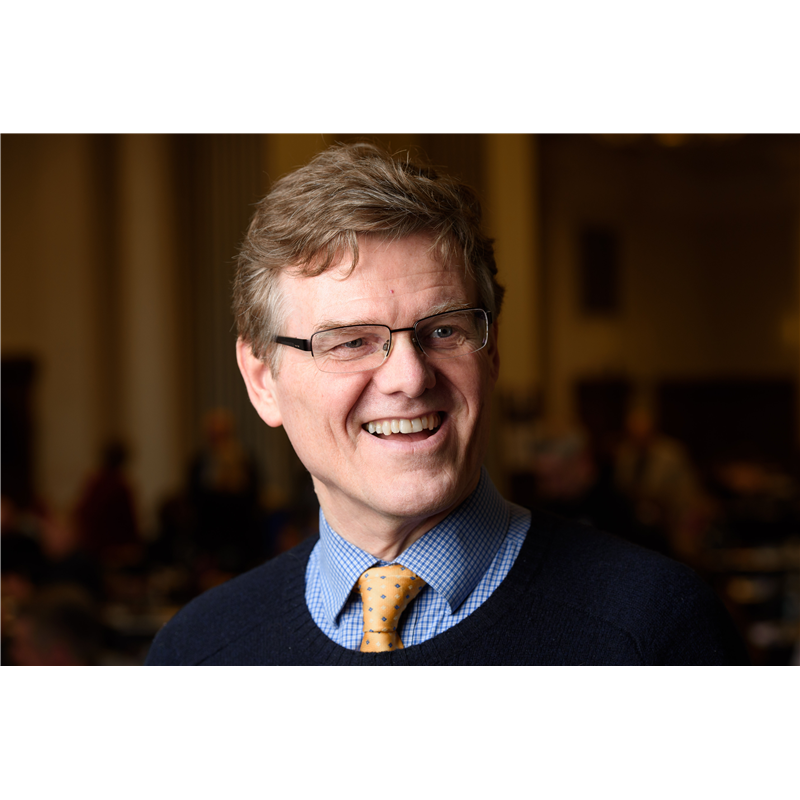
 Dr Paul Roberts is Head of the Department of Antiquities at the Ashmolean Museum of Art and Archaeology, Oxford University.   Paul has been a lecturer with the Arts Society/NADFAS for two decades, has travelled extensively to societies across the country, and has also lectured on numerous cruises. Like all of us, he enjoys the immediate contact of face to face meetings, but is happy to continue providing online lectures if desired.  He studied Classics at the University of Cambridge, and Classical Archaeology at Sheffield and Oxford.  He then lived in Italy for several years, teaching, researching (and eating!). He has travelled the Roman Empire from Britain to Syria and has excavated in Britain, Greece, Libya, Turkey and in particular Italy. He is currently excavating a Roman Villa in the Molise region of Central Italy. His research focuses on the daily life of ordinary people in the Greek and Roman worlds, and he has written books and articles on Greek and Roman daily life, Pompeii and Herculaneum, Sicily, Roman Emperors, mummy portraits, and Greek and Roman ceramics and glass. He is now writing a walking guide to ancient Rome.   From 1994 to 2015 he was Senior Roman Curator in the Greek and Roman Department at the British Museum, where he curated the exhibition Life and Death in Pompeii and Herculaneum (2013). At the  Ashmolean from 2015, he co-curated Storms, War and Shipwrecks: Sicily and the Sea (2016) telling the history of Sicily through shipwreck finds. Most recently (2019/20) at the Ashmolean he curated Last Supper in Pompeii, a tribute to the Roman love affair with food and wine. |
|
| Wednesday 17 November 2021 |
| The Treasures of the Fan Museum |
| Jacob Moss |
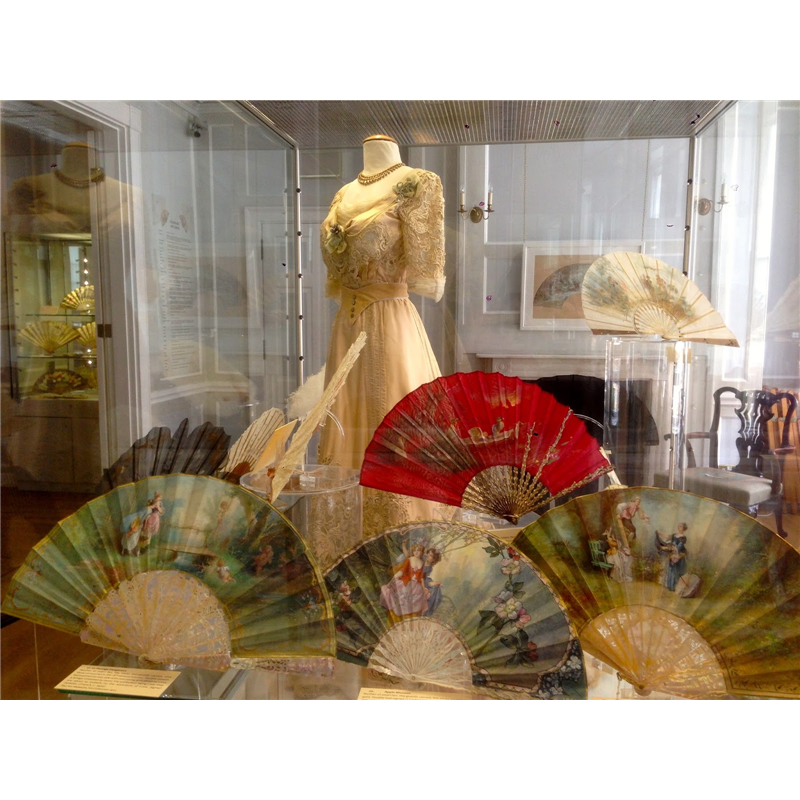 |
Having completed a BA (hons) in Fashion at Reading School of Art, Jacob took up a position as an assistant for womenswear designer Donald Campbell. In 2010 he returned to education and obtained a postgraduate degree (Distinction) in Fashion Curation from the London College of Fashion. Shortly thereafter Jacob joined The Fan Museum, the UK’s only Museum dedicated to the history of fans and craft of fan making. As the Museum’s Curator, he is responsible for co-organising its temporary exhibition programme and overseeing loans from the Museum’s extraordinary collections to organisations such as the Palace of Versailles and the Metropolitan Museum of Art. In 2017 he curated ‘Street Fans’, a pioneering project linking street art and fan making which drew record audiences to The Fan Museum. Looking forward to 2021, the year in which The Fan Museum celebrates its thirtieth anniversary, Jacob will curate a special exhibition of fans at SCAD FASH Museum of Fashion and Film, Atlanta, Georgia. Occupying a pair of early Georgian townhouses nestled in historic Greenwich, the story of how The Fan Museum came to fruition dovetails with the multifaceted history of the handheld fan. From an especially rare Elizabethan-period embroidered folding fan to contemporary examples decorated by street artists, discover some of the key objects within the Museum’s extraordinary collections which encompass more than 5,000 fans and related objects dating from the eleventh century to the present day and gathered from most parts of the world. |
|
| Wednesday 20 October 2021 |
| Imperial Chinese Court Art and Portraiture – Emperors, Ancestors and Jesuits |
| David Rosier |
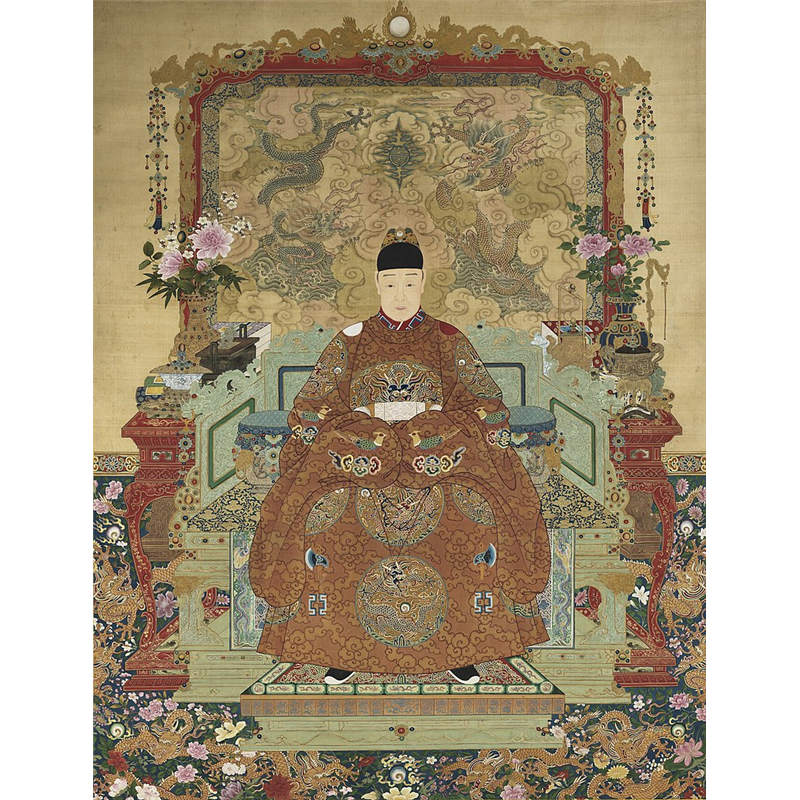 |
A Chartered Insurer by profession and a Fellow of the Assurance Medical Society, with extensive international experience as an author and lecturer in Medical Risk Assessment. He has in excess of 25 years of working and living in Asia. Whilst living in Hong Kong (1991-2004) he assembled a collection of approximately 700, predominately Qing Dynasty (1644-1911), Imperial and related textiles/costume accessories. Past Committee Member of the Hong Kong Textile Society and frequent speaker on Imperial Insignia and Badges of Rank. This lecture explores the origins and evolution of the nature and function of paintings created under an Emperor’s patronage by artists of the Imperial School of Art.
 Court art evolved separately from classical Chinese paintings and included portraiture plus scenes of court life and significant State Events. These were used as visual evidence of the political power of the Emperor and the splendor of his court.
 The lecture concludes by considering the revolution in court art that occured in the 18th Century as Emperor Qianlong deployed Western artistic skills and techniques brought by Jesuits invited to the Forbidden City. |
|
| Wednesday 15 September 2021 |
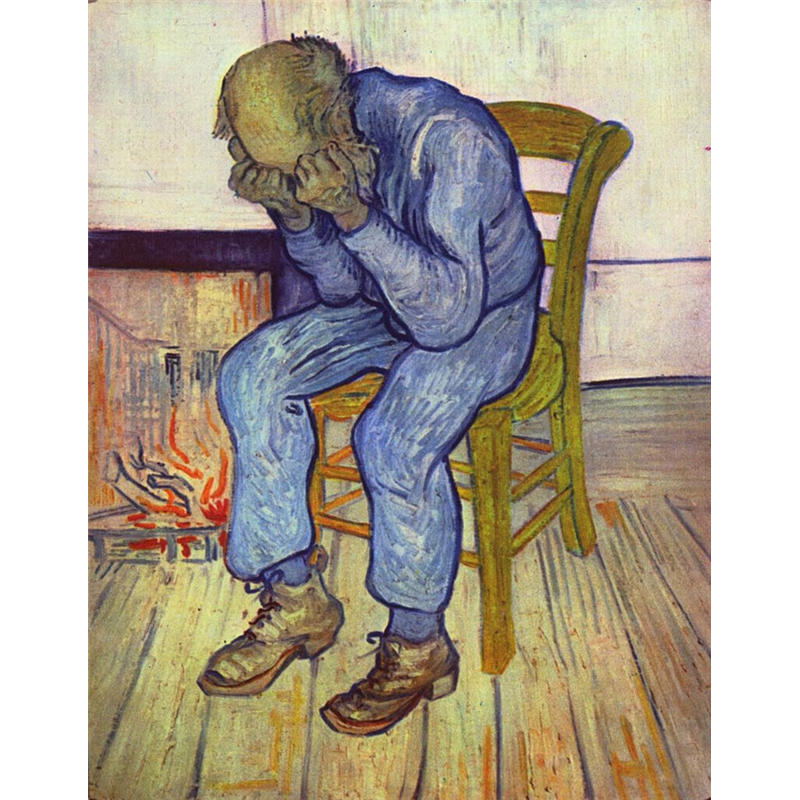
| Cézanne and Van Gogh: Death as a Career Move |
| Julia Musgrave |
 |
Julia Musgrave got her first degree in Chemical Engineering and went on to become a Chartered Information Systems Engineer and IT project manager. In 2008 she decided that life was too short for just one career and decided to become an art historian. She now has a Graduate Diploma in the History of Art from the Courtauld Institute of Art and an MLitt in ‘Art, Style and Design: Renaissance to Modernism, c.1450 – c.1930’ from the University of Glasgow. She is currently working towards her Ph.D. at the University of York,  ‘The involvement of Roger Fry and the Bloomsbury Group in the development of the Contemporary Art Society from 1910 to 1937.’
She is a lecturer in Art History at the City Literary Institute (City Lit). Van Gogh and Cézanne made little impact on the public mind during their lifetimes – the British art world remained in thrall to the academic art of the nineteenth century and the French and British Impressionists. Both were rebels with art as their cause – Van Gogh painted quickly, exploiting the power of vibrant colour to express his emotions. Cézanne’s analytical approach led him to ponder each and every brushstroke. Neither sold much in their lifetime – only their artist friends appreciated the changes they brought into being. This lecture looks at how the work of Van Gogh and Cézanne went from unsold to blockbuster in the early years of the 20th century because a few brave, but important art dealers and critics decided to sponsor them posthumously. |
|
| Wednesday 16 June 2021 |
| A Brief History of Wine |
| David Wright |
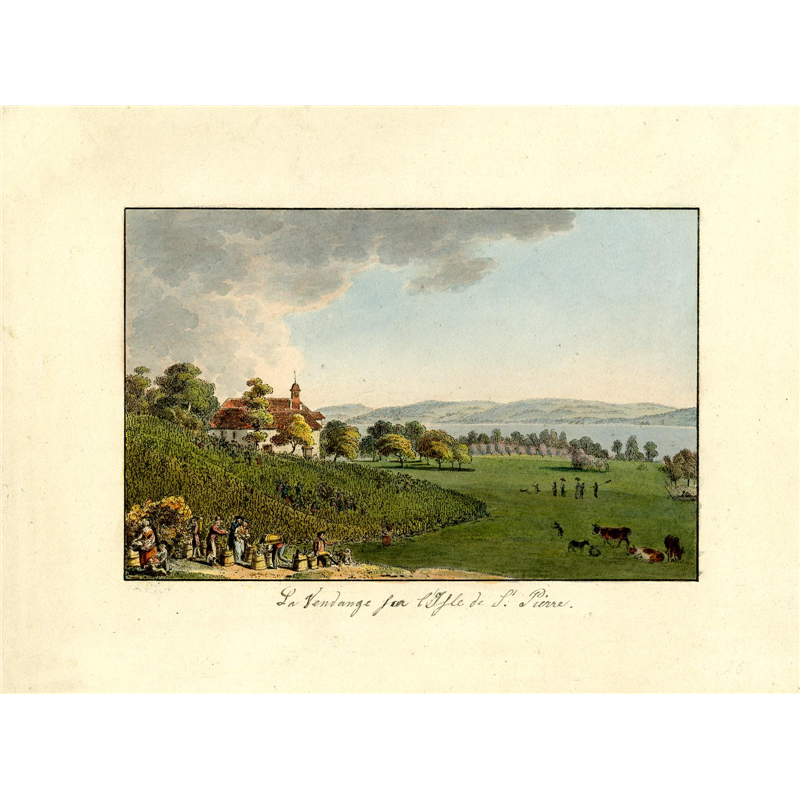 |
David has been a wine retailer, importer and distributor for 30 years. In that time, he has publicly presented tastings and talks on wine to trade and private audiences. These have taken the form of wine ‘tastings’ or charity events where a particular subject is presented and wines tasted. He has developed a talk, A Brief Story of Wine, a great subject, and full of rich evidence, going back 7,000 years, in the form of paintings, decorated drinking vessels, buildings and literature that contribute to the story. Wine has been part of our global society for over 7,000 years, and the story tells of its origin and appearance in all societies across the Mediterranean and through Europe. There is rich evidence of the role wine has played in these societies and how it became an important component of faith, well-being and festivity. From the kwevris of Georgia in 5,000 B.C., the symposia in ancient Greece, the thermopolia of Pompeii, the hospices of Europe, to the dining tables of fine society wine has been ever present. Drawings, paintings, engravings, buildings, pottery and wine labels themselves all contribute to the story. |
|
| Wednesday 19 May 2021 |
| Looking for Georgia: Lydia Bauman’s Travels through New Mexico in the Footsteps of Georgia O’Keeffe |
| Lydia Bauman |
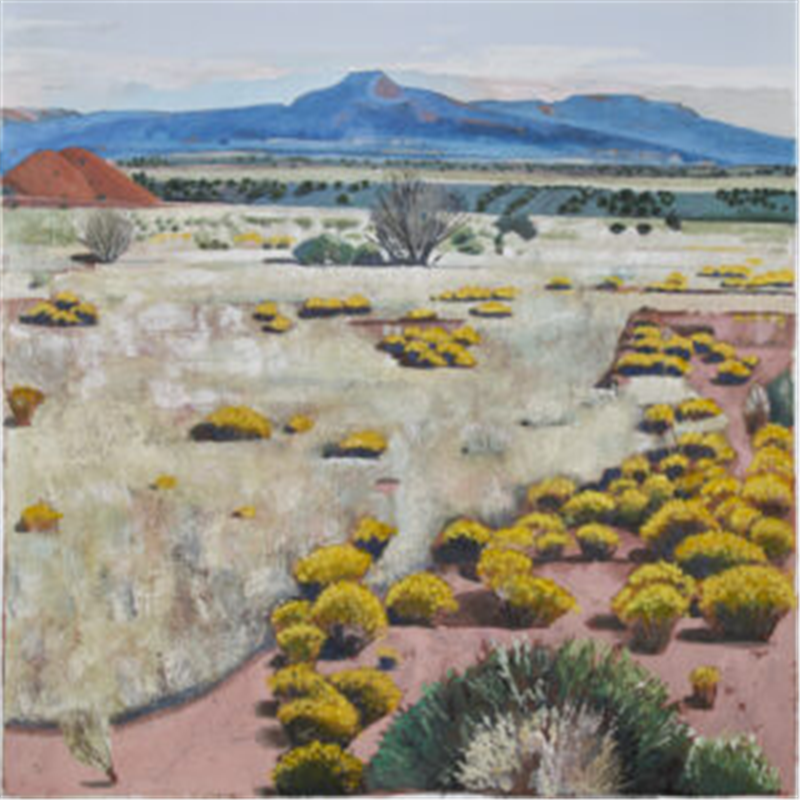 |
Lydia was born in Poland. She studied for her BA in Fine Art at the University of Newcastle-upon-Tyne (John Christie Scholarship and the Hatton Award), and an MA in History of Art from the Courtauld Institute, London, (19th-20th century art – Distinction for thesis on Matisse’s Illustrations to Poetry). She has lectured to diverse adult audiences, notably in London’s National Gallery and MFA Boston USA. Her book on Great Themes in Art is being considered for publication by Merrell Books for worldwide distribution. Legendary American artist Georgia O’Keeffe (1887-1986 ) lived in and painted the New Mexico desert over five decades, calling it ‘my backyard.’  In September 2017  I travelled in her footsteps to find the iconic landscape motifs O’Keeffe made her own. The art historian in me wanted to deepen my understanding of her work. The artist in me needed to challenge my own landscape painting practice. This lecture is an account of my unforgettable journey, my adventures, my insights and my artistic challenge. |
|
| Wednesday 21 April 2021 |
| The Genius of René Lalique |
| Andy McConnell |
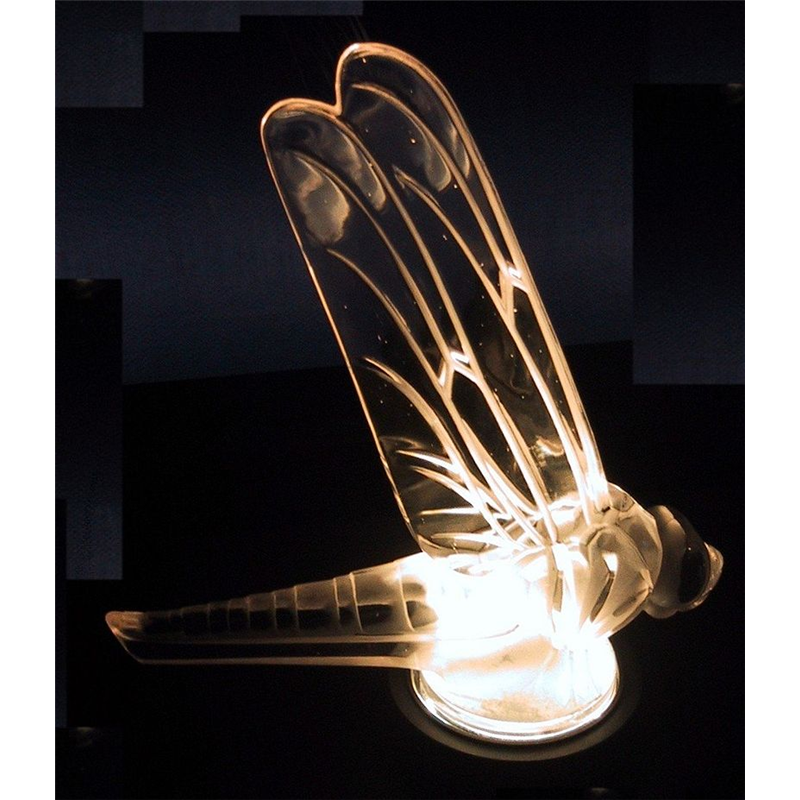 |
Andy has dealt in antiques since adolescence, but served an apprenticeship in journalism. After working in music, film and television, he returned to writing in 2004 as the author of the acclaimed tome The Decanter, An Illustrated History of Glass from 1650. He followed this in 2006 with Miller’s’ 20th Century Glass. He writes regularly for journals as diverse as The Times and Glass Circle News and runs Britain’s largest antique and vintage glass gallery in Rye, Sussex. He is best known as the distinctly humorous glass specialist on BBC’s evergreen Antiques Roadshow. René Lalique was the 20th century’s greatest glass designer/entrepeneur. Lalique’s extraordinary work was unrivalled, combining his unique visual sense with a perfect understanding of glassmaking technologies and a revolutionary approach to marketing. This talk is a visual feast. It covers Lalique’s early work in jewels and furniture before he dedicated the remainder of his life, ca 1905-45, to glass. His output spanned simple, pressed cosmetic pots through car mascots and stemware to the unique cire perdu [lost wax] vases that today can command tens and even millions of pounds. |
|
| Wednesday 17 March 2021 |
| A Carpet Ride to Khiva – exploring the Revival of the 15th-Century Timurid Carpet Designs from Persian Illuminated Manuscripts |
| Chris Aslan Alexander |
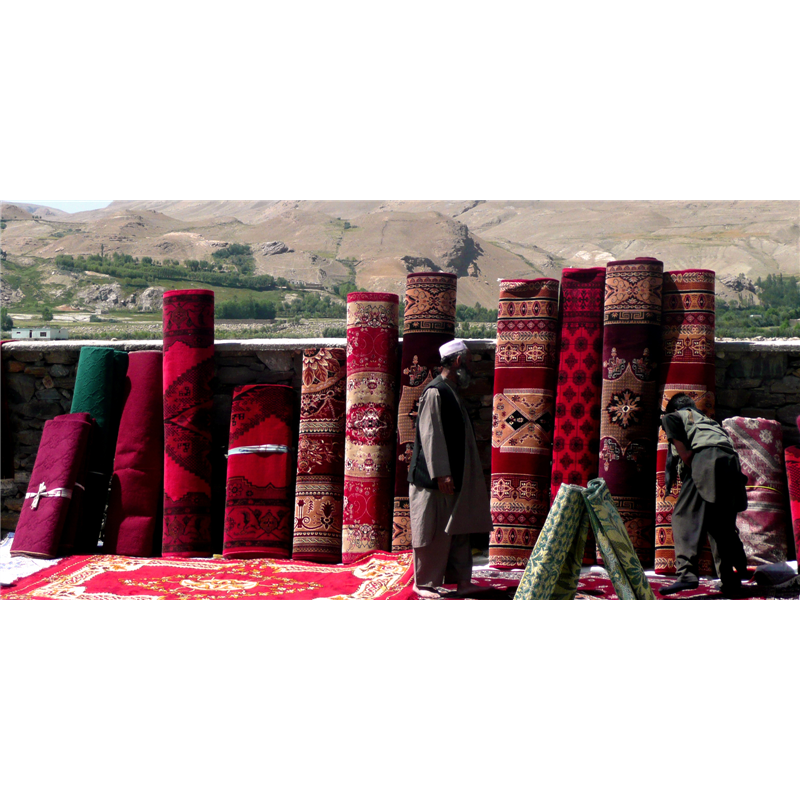 |
Chris was born in Turkey (hence his middle name) and spent his childhood there and in war-torn Beirut. After school, Chris spent two years at sea before studying Media and journalism at Leicester University. He then moved to Khiva, a desert oasis in Uzbekistan, establishing a UNESCO workshop reviving fifteenth century carpet designs and embroideries, and becoming the largest non-government employer in town. After a year in the UK writing A Carpet Ride to Khiva, he moved to the Pamirs in Tajikistan, training yak herders to comb their yaks for their cashmere-like down, spending three years there. Next came two years in Kyrgyzstan living in the world’s largest natural walnut forest and establishing a wood-carving workshop. This is a narrative approach to the revival of 15th century carpets in Khiva, a desert oasis in Uzbekistan. Illuminations on vellum – containing the only surviving representations of textiles from this era – flourished, despite the Islamic prohibition on representative art – and are all we had left of Timurid Carpets until Chris Alexander’s workshop began to weave them to life again.  The lecture will examine the traditional role of carpet weaving and embroidery in the social lives of Central Asian women and how social and political influences led to the decline of textile production. How do the constraints of gender-inequality, corruption and the sourcing of natural dyes from neighbouring Afghanistan continue to challenge attempts at reviving the rich textile heritage of Khiva, Bukhara and Samarkand? |
|
| Wednesday 17 February 2021 |
| From Venice to Sheffield: John Ruskin’s Passion for Art, Craft and Social Justice |
| Simon Seligman |
 |
Simon studied art and architectural history at Warwick University, including a semester in Venice. From 1991 until 2010, worked at Chatsworth, latterly as Head of Communications. Has lectured about Chatsworth, the Devonshire Collection and associated topics, throughout the UK and on several US tours (including the Metropolitan Museum and the National Gallery of Art). Gave numerous public presentations and interviews with the late Deborah, Dowager Duchess of Devonshire. Alongside his lecturing, working part time for John Ruskin’s charity the Guild of St George, a trustee of three arts festivals, and a Life Coach in private practice. Inspired by the bicentenary of the birth of John Ruskin (1819 – 1900) in 2019, this lecture celebrates the extraordinary life and work of this visionary Victorian. As writer, teacher, artist, collector, patron and critic, Ruskin was perhaps the most complete polymath of the 19th century. He left behind a dazzling range of writing and collections that continue to inspire and generate debate around the world. Perhaps most famous today as a champion of Turner and admirer of Venice, Ruskin’s impact ranged far and wide; his ideas inspired the Arts and Crafts Movement and the founding of the National Trust, the Society for the Protection of Ancient Buildings, and the Labour Movement. George Eliot wrote ‘I venerate him as one of the great teachers of the day’, and he influenced the thinking of Tolstoy, Proust and Gandhi among others.
Alongside this international reach, Ruskin became deeply concerned by what he saw as the negative impacts of the industrialization of 19th century England, and as a teacher, thinker and philanthropist he set up projects that aspired to give the working man access to beauty, art, craft and the land. In 1871, he founded what became the Guild of St George, the charity for arts, crafts and the rural economy, and gave it a sizeable collection of art, books and minerals for public display and education in Sheffield. Today, cared for by Museums Sheffield, the collection continues to honour his legacy, sharing something of Ruskin’s encyclopedic European sensibility for the benefit of a 21st century city. This lecture spans Ruskin’s life and work from the timeless and global to the intimate and exquisite, to paint a portrait of a great life. |
|
| Wednesday 20 January 2021 |
| From Downton to Gatsby: Jewellery and Fashion 1890 – 1920 |
| Andrew Prince |
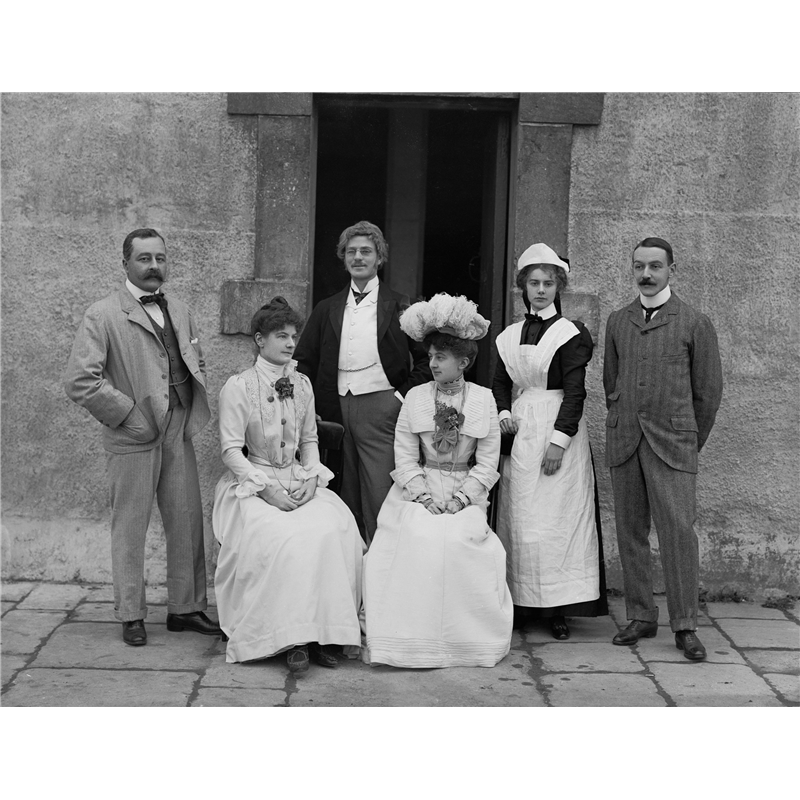 |
Andrew Prince has had a passion for jewellery since he was a small child. After seeing an exhibition of Renaissance jewels at the V&A at the age of nine, Andrew decided that creating jewellery was what he wanted to devote his life to. At 16, Andrew started working for Antiques Roadshow expert Ian Harris, who trained him to make and appreciate fine ‘costume jewellery’, where quality of design and craftsmanship matched the intrinsic value of the stones in the piece. Work for the V&A, and stars such as Michael Jackson and Shirley Bassey, led to a commission to supply a large collection of jewellery for the third series of Downton Abbey.For Downton Abbey, Andrew produced many jewels for the main characters, which inspired him to create a talk based on Downton and the changing styles of the time portrayed. Jewellery and Fashion are often seen as two entirely separate and distinct fields of design, but this is very far from the case.Andrew will guide us through the period between 1890 and 1929, when the great fashion houses collaborated with the finest of jewellers to produce works of art of outstanding quality and glittering opulence. Along with this he discusses the clients and patrons who commissioned the jewels and how they were worn with the sumptuous gowns. To accompany his Study Days, he normally brings with him many of the pieces used in Downton, to allow participants to see them close up.  Sadly, this cannot happen online! |
|
| Friday 19 June 2020 |
| DEBO MITFORD, DUCHESS OF DEVONSHIRE |
| SIMON SELIGMAN |
 |
Deborah Devonshire, the youngest of the Mitford sisters and wife of the 11th Duke of Devonshire, was hefted by marriage to one of Europe’s greatest treasure houses, Chatsworth. In the second half of the 20th century, in partnership with her husband, she imbued it with a spirit, elegance and sense of welcome that transformed it from being the worn-out survivor of decades of taxation, war and social change into one of the best-loved, most-emulated and popular historic houses, gardens and estates in the country. With responsibility for Lismore Castle and Bolton Abbey as well, no wonder her passport stated her profession as ‘housewife’. Along the way, she became a best-selling author and sell-out speaker, champion of the countryside, its skills, traditions, livelihoods and food, trustee and patron of numerous charities, businesses and good causes, and the most famous poultry keeper in the country. She met Hitler and Churchill, was a trusted confidante of the Prince of Wales, played her part as the steady heart of the Mitford sisters’ melodrama and was friends with a dazzling array of some of the brightest and most fascinating of her contemporaries, including President Kennedy, Evelyn Waugh, Oscar de la Renta, John Betjeman, Lucian Freud, Tom Stoppard, Neil MacGregor, Patrick Leigh Fermor and Alan Bennett.Â
She said herself that charm was the hardest quality to describe in another person; hers lived in her unique turn of phrase, her stoic Mitfordian perspective on life’s challenges, her curiosity about everyone she met, her stylish beauty, quick wit and delight in all that life offered her. Debo had a lasting impact not just on Chatsworth but on everything she touched and everyone she met; I was lucky enough to work for and with her over more than 20 years and in this lecture I pay tribute to an astonishing life. Simon Seligman studied art and architectural history at Warwick University, including a semester in Venice. Also Graduate of the Attingham Summer school. From 1991 until 2010, worked at Chatsworth, in a variety of roles, latterly as Head of Communications. Has lectured about Chatsworth, the Devonshire Collection and associated topics, throughout the UK and on several US tours (including the Metropolitan Museum and the National Gallery of Art). Gave numerous public presentations and interviews with the late Deborah, Dowager Duchess of Devonshire. Publications include written or edited guidebooks and articles for and about Chatsworth. |
|
| Wednesday 20 May 2020 |
| A CARPET RIDE TO KHIVE: REVIVAL OF 15th-CENTURY CARPET DESIGNS |
| CHRIS ALEXANDER |
 |
 This is a narrative approach to the revival of 15th century carpet designs from illuminated manuscripts in Khiva, a desert oasis in Uzbekistan. Illuminations on vellum – containing the only surviving representations of textiles from this era – flourished, despite the Islamic prohibition on representative art. The lecture will examine the traditional role of carpet weaving and embroidery in the social lives of Central Asian women and how social and political influences led to the decline of textile production. How do the constraints of gender-inequality, corruption and the sourcing of natural dyes from neighbouring Afghanistan continue to challenge attempts at reviving the rich textile heritage of Khiva, Bukhara and Samarkand? Chris Alexander was born in Turkey (hence his middle name: Aslan) and spent his childhood there and in war-torn Beirut. After school, Chris spent two years at sea before studying Media and journalism at Leicester University. He then moved to Khiva, a desert oasis in Uzbekistan, establishing a UNESCO workshop reviving fifteenth century carpet designs and embroideries, creating income for women. After a year in the UK writing A Carpet Ride to Khiva, he moved to the Pamirs in Tajikistan, training yak herders to comb their yaks for their cashmere-like down, spending three years there. Next came two years in Kyrgyzstan living in the world’s largest natural walnut forest and establishing a wood-carving workshop. Chris has recently finished rowing and studying at Oxford and is now a curate at St. Barnabas, North Finchley, and author of Alabaster and Manacle. He returns to Central Asia whenever he can and conducts tours there. |
|
| Wednesday 15 April 2020 |
| CÉZANNE AND VAN GOGH: DEATH AS A CAREER MOVE |
| JULIA MUSGRAVE |
 |
PLEASE NOTE, THIS DATE WAS GIVEN INCORRECTLY AS 14 APRIL IN THE PROGRAMME CARD! Van Gogh and Cézanne made little impact on the public mind during their lifetimes – the British art world remained in thrall to the academic art of the nineteenth century and the French and British Impressionists. Both were rebels with art as their cause – Van Gogh painted quickly, exploiting the power of vibrant colour to express his emotions. Cézanne’s analytical approach led him to ponder each and every brush-stroke. Neither sold much in their lifetime – only their artist friends appreciated the changes they brought into being. This lecture looks at how the work of Van Gogh and Cézanne went from unsold to blockbuster in the early years of the 20th century because a few brave, but important art dealers and critics decided to sponsor them posthumously.  Julia Musgrave’s first degree was in Chemical Engineering and she went on to become a Chartered Information Systems Engineer and IT project manager. In 2008 she decided that life was too short for just one career and decided to become an art historian.Â
She now has a Graduate Diploma in the History of Art from the Courtauld Institute of Art and an MLitt in ‘Art, Style and Design: Renaissance to Modernism, c.1450 – c.1930’ from the University of Glasgow. She is currently working towards her Ph.D. at the University of York on the involvement of Roger Fry and the Bloomsbury Group in the development of the Contemporary Art Society from 1910 to 1937. She is a lecturer in Art History at the City Literary Institute (City Lit). |
|
| Wednesday 18 March 2020 |
| PAINTING THE MODERN GARDEN: MONET TO MATISSE |
| LYDIA BAUMAN |
 |
The magnificent Royal Academy exhibition of 2016 opened the public’s eyes to the extent to which artists loved to cultivate their own gardens and how they were in turn inspired by them to create experimental work. We will trace the parallel developments in the history of gardening and the history of modern art from the Impressionism of Monet, Renoir, Pissaro and Morissot in the late 19th century, to the near abstractions of Matisse and Kandinsky in the 20th. Lydia Bauman was born in Poland and studied for her BA in Fine Art at University of Newcastle- upon-Tyne (John Christie Scholarship and the Hatton Award), and an MA in History of Art from Courtauld Institute, London, (19th-20th century art – Distinction for thesis on Matisse’s Illustrations to Poetry). She lectured to diverse adult audiences, notably in London’s National Gallery and MFA Boston USA. Her book on Great Themes in Art is being considered for publication by Merrell Books for worldwide distribution. |
|
| Wednesday 19 February 2020 |
| PICASSO AND HIS MUSES |
| JACQUELINE COCKBURN |
 |
 When Picasso met the seventeen-year-old Marie Therese Walter outside a department store in Paris in 1927 it was L’Amour Fou. Together over a decade and far longer in his thoughts she was one of his greatest muses in many ways. This lecture considers her roles as clandestine muse, phallic muse, trapped muse, sleeping muse and charts his inspired work leading up to the Spanish Civil war. Jacqueline Cockburn is a linguist and art historian, with first degrees in French and Spanish and Art History, an MA in Applied Linguistics and a PhD in Art History and Spanish. She is now Managing Director of an art tour company. She is currently writing a book entitled A Taste of Art. |
|
| Wednesday 15 January 2020 |
| PRIVATE PALACES OF THE CÔTE D’AZUR |
| NICHOLAS MERCHANT |
 |
THIS WAS GIVEN INCORRECTLY AS 20 JANUARY IN THE PRINTED PROGRAMME CARD. PLEASE NOTE CORRECTED DATE! Until promoted in the 19th century by a go-ahead Lord Chancellor of England, the South of France (it did not acquire the title Côte d’Azur util the 1920s) was something of a no-go area with little to offer the tourist except banditry, hovels and appalling roads. Lord Brougham saw a different side to it, notably its delicious winter climate, and soon the coast saw an influx of the fashionable, aristocratic and wealthy from all over Europe, Russia and America. Many built villas of amazing magnificence, originality and indulgence and gave the coast a reputation for luxury, sensuality and a douceur de vie which was the antithesis of the snow-laden, smog-ridden winters of Northern Europe. Perhaps the first tourist resort. Nicholas Merchant’s career has mirrored his abiding interest in antiques. He has worked for some of the major auction houses in London as well as running his own book business devoted to the decorative and fine arts. His particular interest is English 18th century furniture and country houses; he enjoys discussing objects, particularly in their historical context. He lectures extensively in the USA, South Africa, Europe and UK, including the V&A, as well as for the principal cruise lines. He is the Art Fund’s West Yorkshire Representative. He arranges specialist short breaks for collectors and a range of prestigious clients including groups of The Arts Society who enjoy visiting the treasures of the UK. |
|
| Wednesday 20 November 2019 |
| ‘DECK THE HALL’: YULETIDE CUSTOMS AND TRADITIONS |
| DAVID BOSTWICK |
 |
Christmas, as a time of celebrations, has a very long pedigree. The great midwinter festival, known to the Romans as Saturnalia, is still greeted with feasting and drinking throughout the 12 days of Christmas. Wassail bowls and bobs, boars’ heads stuck with apples, carolling, mumming, riotous games in hall – all presided over by the Lord of Misrule. Twelfth Night signalled an end to the merry anarchy with great pies and rich fruit cakes concealing a bean and a pea. Using contemporary illustrations, this lecture explores the sources and significance of these ancient customs and traditions. DAVID BOSTWICK
Lecturer and consultant in the Cultural History of the Medieval, Tudor and Stuart periods. Specialist in medieval imagery and interior furnishings and decoration 1400-1700. Tour leader. Former Keeper of the Social History
Collections, Sheffield City Museums. Lecture tours to USA and Australia. Consultant on historic buildings and their interpretation to the National Trust, English Heritage and Historic Scotland. |
|
| Wednesday 16 October 2019 |
| ‘WILD MEN OF THE NORTH’: TOM THOMSON AND THE GROUP OF SEVEN |
| DR ROSS KING |
 |
In 1924 an exhibition in London of Canadian landscapes moved the critic C. Lewis Hind to celebrate them as ‘the most vital group of paintings produced since the war—indeed, this century’. These landscapes of Canada’s northern lakes and rugged backwoods, painted in a boldly Post-Impressionist style, had been produced over the previous decade by a collective of Toronto-based painters known as the ‘Group of Seven’, whose aim was to forge a national school of landscape painting. This illustrated lecture introduces the painters—including their talismanic colleague Tom Thomson, who died in 1917—and examines how they stormed the conservative bastions of Canadian art to establish themselves on the international stage as practitioners of a distinctive avant-garde. Ross King is the author of eight books on Italian, French and Canadian art and history. His books have been translated into more than a dozen languages, and he has won both the Governor General’s Award in Canada and the BookSense Non-Fiction Book of the Year in the United States. Born and raised in Canada, he has lived in England since 1992. He has lectured widely in both North America and Europe, and given lectures and guided tours in Florence, Rome, Milan, Paris and Giverny. |
|
| Wednesday 18 September 2019 |
| PORTRAITS OF THE MAHARANIS |
| DR JOHN STEVENS |
 |
The Maharajahs and Maharanis of India were semi-independent rulers, responsible for governing territories that were outside the direct control of the British Empire. They fascinated the British public, and functioned as powerful symbols of ‘exotic India’.This lecture draws on an extensive collection of portraits and photographs of Indian Maharanis. These images, and the costumes worn by the women they depict, are stunning works of art in their own right. They are also some of the earliest images of Indian women that portray them as powerful, dignified and educated figures. This lecture brings these beautiful portraits to life with insights into the lives and memoirs of the Maharanis themselves, along with a broader view of the role they played in the British Empire.  Dr John Stevens is a Research Associate at SOAS, University of London, and a member of academic staff at the SOAS South Asia Institute. His PhD in History is from University College London. He teaches British Imperial history, Indian history and Bengali language, and is a regular visitor to India and Bangladesh. He publishes widely in the fields of British and Indian history. His biography of the Indian guru Keshab Chandra Sen was due to be published by Hurst in 2018. He appears regularly in the Indian media, and was recently a guest on BBC Radio Four’s In Our Time, discussing the poet and artist Rabindranath Tagore. |
|